

How to Wash a Silk Pillowcase: The Complete Cleaning and Care Guide


A silk pillowcase is one of the simplest luxury upgrades you can make to your sleep routine. Sleeping on mulberry silk reduces friction on your skin and hair, helps retain moisture in your complexion overnight, naturally regulates temperature, and feels incredibly smooth against your face. But to enjoy those benefits night after night, you need to know how to wash a silk pillowcase properly — because the wrong cleaning method can strip away the very qualities that make silk so special.
Unlike cotton or polyester pillow covers, a silk pillowcase requires gentler handling, cooler water temperatures, and specific detergents. Harsh chemicals, hot water, aggressive spin cycles, and tumble drying can all cause irreversible damage to silk fibers — leading to shrinkage, color fading, a rough texture, and a dull appearance. The good news is that washing a silk pillowcase at home is easy once you understand the fundamentals. It takes only a few extra minutes of care compared to tossing a cotton pillowcase into a regular laundry load.
In this comprehensive guide, we cover everything you need to know about cleaning and caring for silk pillowcases — from pre-wash preparation and hand washing to machine washing, stain removal, drying, ironing, and long-term storage. Whether you own a single silk pillowcase or an entire set of silk bedding, this guide will help you maintain the softness, sheen, and longevity of your silk for years to come.
Why a Silk Pillow Cover Requires a Different Washing Approach Than Cotton
To understand why you cannot simply toss a silk pillowcase into the washing machine with your regular laundry, it helps to understand what silk actually is at a molecular level — and how it differs from the cotton and polyester fabrics most people are used to washing.
Silk is a natural protein fiber produced by the silkworm Bombyx mori. Its molecular structure is composed of amino acid chains — fundamentally similar to human hair and skin. This protein-based composition is what gives silk its extraordinary smoothness, natural sheen, moisture-wicking ability, and hypoallergenic properties. But it also makes silk vulnerable to damage from substances and conditions that are perfectly fine for plant-based fibers like cotton.
Standard laundry detergents are typically alkaline, with a pH between 9 and 12. This high pH is effective at breaking down oils and stains on cotton — but on silk, it strips the natural sericin coating from the fiber, leaving the fabric rough, brittle, and dull. Enzyme-based detergents are even more damaging: they are designed to break down protein-based stains (like food and sweat), but silk itself is a protein, so the enzymes attack the fabric along with the stain. Chlorine bleach destroys silk protein chains on contact, causing irreversible yellowing and fiber disintegration.
According to the Sleep Foundation's silk pillowcase care guide, silk is a sensitive fabric that requires special care, and not all silk can be washed in the same way — making it essential to understand your specific product before cleaning it.
Beyond chemical sensitivity, silk also loses approximately 20% of its tensile strength when wet. This means that mechanical actions like wringing, twisting, scrubbing, and high-speed spinning can stretch, distort, and permanently damage wet silk fibers in ways that would not affect dry silk or wet cotton. Temperature matters too — hot water causes silk fibers to swell and contract unevenly, leading to shrinkage and a loss of the smooth, aligned fiber structure that gives silk its characteristic drape and luster.
Understanding these vulnerabilities is not meant to intimidate you — it is meant to show you why a few simple adjustments to your washing routine can make all the difference. With the right water temperature, the right detergent, and gentle handling, washing a silk pillowcase at home is straightforward and effective.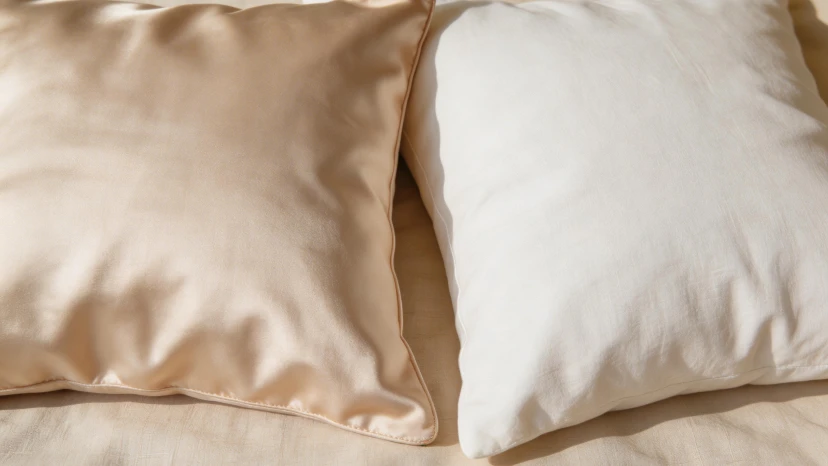
What to Check Before You Clean Your Silk Pillowcase
Before you submerge your silk pillowcase in water, take two minutes to prepare. These preliminary steps help you avoid common mistakes that can lead to color bleeding, fabric damage, or ineffective cleaning.
Read the Care Label
Every quality silk pillowcase comes with a care label from the manufacturer. This label tells you whether the pillowcase is safe for machine washing, whether it requires hand washing only, what water temperature to use, and whether dry cleaning is recommended. Some silk pillowcases — particularly those with specialty finishes, dyes, or mixed-fiber construction — may have specific requirements that differ from general silk care guidelines. Always defer to the manufacturer's instructions when they are available.
Test for Colorfastness
Most high-quality mulberry silk pillowcases use colorfast dyes that are stable in water. However, it is always wise to test before the first wash — especially for deeply saturated colors like navy, black, burgundy, and dark red. Dampen a small, inconspicuous area of the pillowcase with cool water and press it against a clean white cloth for 30 seconds. If any color transfers to the white cloth, the dye is not fully colorfast. In that case, wash the pillowcase separately from other items, use cold water only, and consider professional dry cleaning for the first wash.
Pre-Treat Visible Stains
Check the pillowcase for visible stains — makeup, skincare products, drool, hair oils, or any other marks. These stains are easier to remove if treated before the full wash cycle. Apply a tiny drop of silk-safe detergent directly to the stain and gently dab it with your fingertip or a soft cloth. Do not rub or scrub. Let the detergent sit on the stain for two to three minutes before proceeding to the full wash.
Turn Inside Out
Turning your silk pillowcase inside out before washing protects the outer surface — the side that touches your face every night — from friction, snagging, and direct contact with other items in the wash. This simple step significantly reduces surface wear over repeated wash cycles.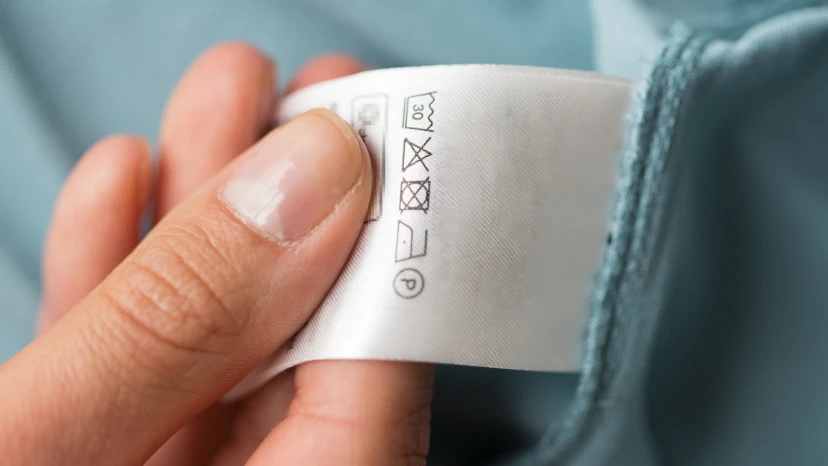
How to Hand Wash a Silk Pillowcase: The Gentlest Cleaning Method
Hand washing is the safest and most controlled way to clean a silk pillowcase. It gives you precise control over water temperature, detergent contact time, and the amount of mechanical agitation applied to the fabric. If your silk pillowcase is high-end, delicate, or showing signs of age, hand washing is always the recommended approach.
Step 1: Fill a Clean Basin with Cool Water
Fill a clean sink, basin, or large bowl with cool to lukewarm water. The ideal temperature for washing silk is between 20°C and 30°C (68°F to 86°F). Water above 30°C can cause silk to shrink, lose its sheen, and allow dyes to bleed. If you cannot measure the temperature precisely, aim for water that feels cool to the touch — never warm or hot.
Step 2: Add a Small Amount of Silk-Safe Detergent
Add a few drops of a pH-neutral, enzyme-free silk detergent to the water and swirl gently to create an even solution. You need very little — about half a teaspoon per liter of water is sufficient. If you do not have a silk-specific detergent on hand, a few drops of fragrance-free baby shampoo can serve as a temporary substitute. Never use regular laundry detergent, dish soap, bleach, or any product containing enzymes, sulfates, or optical brighteners.
Step 3: Submerge and Gently Agitate
Place your silk pillowcase (turned inside out) into the water and press it down until fully submerged. Let it soak for three to five minutes. During soaking, gently swish the pillowcase back and forth with your hands to help the detergent solution lift body oils, skincare residue, and surface dirt from the silk fibers. Do not rub, scrub, bunch, or twist the fabric — any aggressive handling can damage the delicate fiber surface.
Step 4: Rinse Thoroughly
Drain the soapy water and refill the basin with fresh, cool water. Move the pillowcase gently through the clean water to rinse out all detergent. Repeat the rinse one or two more times until the water runs completely clear and no soapy residue remains. Leftover detergent trapped in silk fibers can cause stiffness, dullness, and a buildup that attracts dirt over time.
Optional vinegar rinse: During the final rinse, add one tablespoon of white distilled vinegar per liter of water. This mild acid neutralizes any remaining alkaline soap residue, restores the natural pH of the silk protein fiber, and enhances the fabric's softness and luster. The vinegar smell will dissipate completely as the pillowcase dries.
Step 5: Remove Excess Water
Lift the silk pillowcase out of the water and let it drip for a few seconds. Lay it flat on a clean, white towel. Roll the towel and the pillowcase together, pressing gently and evenly to absorb excess moisture. Do not wring, twist, or squeeze. Unroll and repeat with a second dry towel if necessary. The goal is to remove as much water as possible without applying mechanical stress to the wet silk.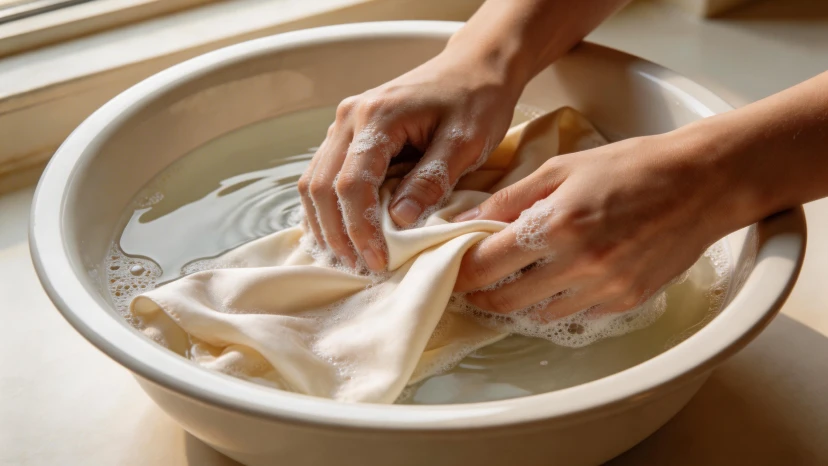
Can You Machine Wash a Silk Pillowcase? Guidelines for Safe Machine Laundering
The answer depends on the specific silk pillowcase and the quality of your washing machine. Many modern silk pillowcases — especially those made from higher momme mulberry silk (19mm to 25mm) — are durable enough to withstand occasional machine washing if you follow strict precautions. However, machine washing always carries more risk than hand washing for delicate silk bedding.
If your pillowcase's care label says "machine washable" or "gentle cycle," follow these steps:
- Turn the pillowcase inside out to protect the sleeping surface from friction and snagging.
- Place it inside a mesh laundry bag (also called a delicates bag or lingerie bag). This prevents the pillowcase from tangling with other items, catching on zippers or hooks, and being subjected to excessive agitation inside the drum.
- Select the most delicate cycle available on your machine — labeled "delicate," "hand wash," or "silk" depending on the manufacturer. Choose the lowest spin speed option.
- Use cold water only — never warm or hot. If your machine allows manual temperature selection, set it to 30°C (86°F) or below.
- Add a small amount of silk-safe, pH-neutral detergent. Do not use regular detergent, fabric softener, or bleach.
- Wash silk separately from other fabrics — especially denim, towels, and garments with metal hardware. Heavy fabrics can crush and abrade silk in the drum.
- Remove the pillowcase immediately after the cycle ends. Do not let it sit wet in the drum, as this causes wrinkles to set into the silk.
Even with these precautions, we recommend reserving machine washing for routine maintenance cleaning. For pillowcases with visible stains, delicate embroidery, or signs of aging, hand washing is always the safer choice.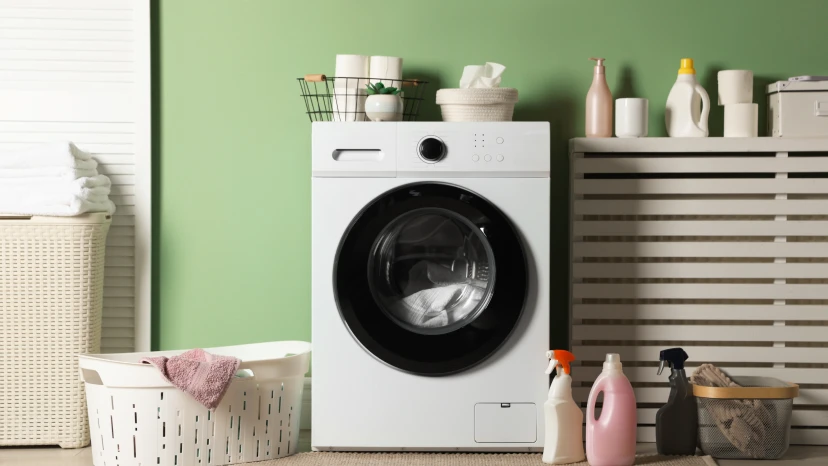
How Often Should You Wash Your Silk Pillowcase for Optimal Hygiene?
Your silk pillowcase sits against your face for six to eight hours every night. During that time, it accumulates body oils, sweat, dead skin cells, saliva, hair product residue, and skincare ingredients. Over time, this buildup can dull the silk surface, attract bacteria, and reduce the skin and hair benefits that made you choose silk in the first place.
As a general guideline, wash your silk pillowcase once every seven to ten days for optimal hygiene and fabric longevity. If you apply heavy skincare products at night, sweat heavily during sleep, or have oily skin or hair, you may want to wash every five to seven days. On the other hand, if you shower before bed, use minimal products, and sleep in a cool environment, washing every ten to fourteen days is usually sufficient.
Having two or three silk pillowcases in rotation makes it easy to maintain a weekly wash cycle without ever sleeping on a bare pillow while one is drying. This rotation also distributes wear evenly across multiple pillowcases, extending the life of each one.
| Wash Frequency | Best For | Notes |
|---|---|---|
| Every 5–7 days | Oily skin or hair, heavy skincare routine, hot sleepers, acne-prone skin | More frequent washing prevents oil and product buildup that can clog pores and dull the silk surface. |
| Every 7–10 days (recommended) | Average use, moderate skincare, normal skin type | The ideal balance between hygiene and fabric preservation for most silk pillowcase owners. |
| Every 10–14 days | Minimal product use, shower before bed, cool sleeping environment | Acceptable for low-residue sleepers, but do not extend beyond two weeks to avoid bacterial buildup. |
How to Dry a Silk Pillowcase Without Causing Shrinkage or Damage
Drying is where many people accidentally damage their silk pillowcases — even after a perfect wash. The high heat and tumbling action of a standard dryer can shrink silk, distort its shape, weaken the fibers, and leave the surface feeling rough and papery. Proper drying is just as important as proper washing when it comes to silk bedding care.
Air Drying (Recommended)
The safest way to dry a silk pillowcase is to lay it flat on a clean, dry towel or a mesh drying rack. Smooth out any wrinkles or folds with your hands while the fabric is still damp. Allow the pillowcase to air dry at room temperature in a well-ventilated area. Keep it away from direct sunlight, radiators, space heaters, and hair dryers — any direct heat source can fade colors, weaken fibers, and cause uneven drying that leads to water marks.
Hang Drying
If you prefer to hang your silk pillowcase, drape it over a smooth drying rack or a padded hanger. Do not use clothespins or clips, which can leave permanent pinch marks on wet silk. Make sure the pillowcase is spread evenly so no section is bunched or folded — this prevents uneven drying and ensures wrinkles do not set into the fabric.
Never Tumble Dry
Standard tumble dryers combine high heat with intense mechanical action — both of which are extremely damaging to silk protein fibers. The heat causes significant shrinkage and fiber brittleness, while the tumbling action stretches and abrades the delicate surface. If your dryer has an "air only" or "no heat" setting, you can use it briefly to partially dry the pillowcase, but remove it while still slightly damp and finish with air drying.
Avoid Direct Sunlight
UV radiation from sunlight breaks down silk protein chains and causes dyes to fade — especially vibrant and dark colors. Even brief exposure to direct sun while drying can leave uneven discoloration on a wet silk surface. Always dry your silk pillowcase in the shade or indoors.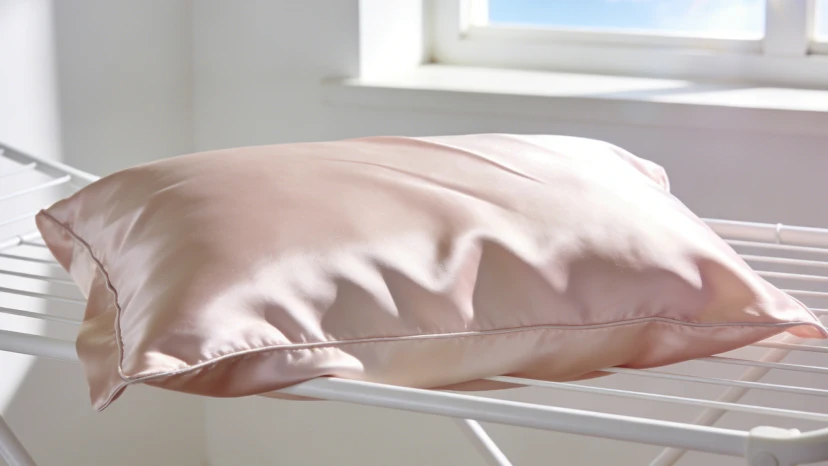
How to Remove Common Stains from Your Silk Bedding
Because a silk pillowcase is in direct contact with your face all night, it is inevitably exposed to a range of substances that can cause staining — from foundation and night cream to drool and hair oil. Treating stains on silk requires patience and a gentle touch. The golden rule is: act fast, blot gently, and never rub.
| Stain Type | Treatment Method | Important Warnings |
|---|---|---|
| Makeup / Foundation | Dab with a cloth dampened in cool water and a tiny drop of silk detergent. Repeat gently until the stain lifts, then hand wash the full pillowcase. | Never use makeup remover wipes — they contain alcohol and solvents that damage silk fibers. |
| Skincare / Night Cream | Blot the excess immediately. Apply a small drop of silk detergent to the spot. Let sit for 2–3 minutes, then hand wash. | Oil-based serums and retinol creams can leave residue that builds up over time. Wash promptly after contact. |
| Drool / Saliva | Rinse the area under cool running water as soon as possible. Follow with a normal hand wash or machine wash cycle. | Saliva contains enzymes that can break down silk protein if left to dry and set into the fabric. |
| Hair Oil / Sebum | Sprinkle a thin layer of cornstarch on the stain. Let sit for 20–30 minutes to absorb the oil. Brush off gently, then hand wash. | Do not apply dish soap or degreaser directly to silk. |
| Blood | Rinse immediately under cold running water — never hot, which causes blood to set. Soak in cool water with silk detergent for 10 minutes, then wash. | Cold water is critical. Hot water denatures the protein in blood and bonds it permanently to silk fiber. |
| Yellowing / Discoloration | Soak the pillowcase for 5 minutes in a basin of cool water with 1 tablespoon of white distilled vinegar. Hand wash and air dry. | Yellowing is usually caused by detergent buildup, body oils, or UV exposure. Vinegar helps restore brightness. |
| Unknown Stain | Blot with a damp cloth. If it does not lift, take the pillowcase to a professional dry cleaner who specializes in silk and delicate fabrics. | Aggressive home treatment of an unidentified stain can cause more damage than the stain itself. |
For any stain, the single most important factor is speed. The faster you treat a stain on silk, the higher the chance of removing it completely without lasting marks. Avoid letting stains dry and set into the fabric overnight.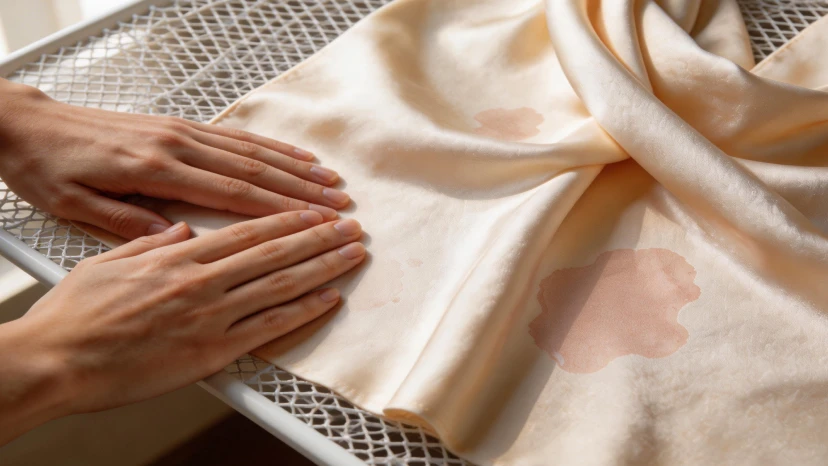
Choosing the Right Detergent for Washing Silk Pillowcases and Silk Bedding
The detergent you choose is the single most important variable in the entire silk pillowcase washing process. Using the wrong product can undo all the care you put into water temperature and gentle handling. Silk is a protein fiber with a naturally slightly acidic pH of around 5.5 — the same as human skin. Maintaining this natural pH balance during washing is essential for preserving the fiber's softness, strength, and luster.
When selecting a detergent for your silk pillowcase, silk sheets, or any silk bedding product, look for these characteristics:
- pH-neutral formula (pH 5.5 to 7) — matches the natural acidity of silk protein and prevents fiber hardening
- Enzyme-free — protease enzymes break down protein-based stains, but silk is itself a protein and will be degraded by these same enzymes over repeated washes
- Free from chlorine bleach, sulfates, phosphates, and optical brighteners — all of which damage silk fibers, alter dye colors, and leave chemical residues
- Fragrance-free or lightly scented with natural ingredients — synthetic fragrances can build up on silk fibers and cause irritation on the face
- Low-foam formula — requires less rinsing, which means less water contact and less handling for the silk
If a dedicated silk detergent is not available, a small amount of fragrance-free baby shampoo is an acceptable substitute for occasional washes. Some silk owners also use a few drops of pure castile soap — but be cautious, as some castile soaps are mildly alkaline. Always test on a small area first.
Never use regular laundry detergent, dish soap, chlorine bleach, or fabric softener on silk pillowcases. Fabric softener is particularly misleading — it seems like it would be good for silk, but it actually coats the fibers with a waxy residue that dulls the natural luster, reduces breathability, and builds up over time. Silk is naturally soft and does not need additional softening agents.
How to Iron and De-Wrinkle a Silk Pillowcase Safely
Silk wrinkles easily after washing — this is normal and does not indicate damage. In fact, most silk pillowcases will naturally smooth out after a few nights of use as your body heat and the friction of sleeping gradually relax the fibers. However, if you prefer a perfectly smooth pillowcase from the start, you can iron or steam it with care.
Ironing
- Iron the silk pillowcase while it is still slightly damp from washing. If it has already dried completely, lightly mist it with cool water from a spray bottle.
- Turn the pillowcase inside out so the iron contacts the interior surface, not the side that touches your face.
- Set your iron to the lowest heat setting — most irons have a dedicated "silk" setting, typically between 110°C and 130°C (230°F to 270°F).
- Place a thin cotton pressing cloth between the iron and the silk for extra protection.
- Use smooth, steady strokes. Do not press down hard, and do not leave the iron sitting in one spot — this can scorch the silk.
Steaming
A handheld garment steamer is a gentler and faster alternative to ironing for silk bedding. Hold the steamer approximately 15 to 20 centimeters (6 to 8 inches) from the fabric and let the steam relax the fibers naturally. Steaming is less likely to cause scorching, water spots, or shine marks than direct ironing, and it works well on larger silk items like silk sheets and duvet covers in addition to silk pillowcases.
The Bathroom Steam Trick
If you do not own an iron or steamer, hang your silk pillowcase in the bathroom while you take a hot shower. The ambient steam will gently relax the wrinkles without any direct heat contact. This method is not as effective as ironing or steaming for deep creases, but it works well for minor wrinkles and is completely risk-free for the fabric.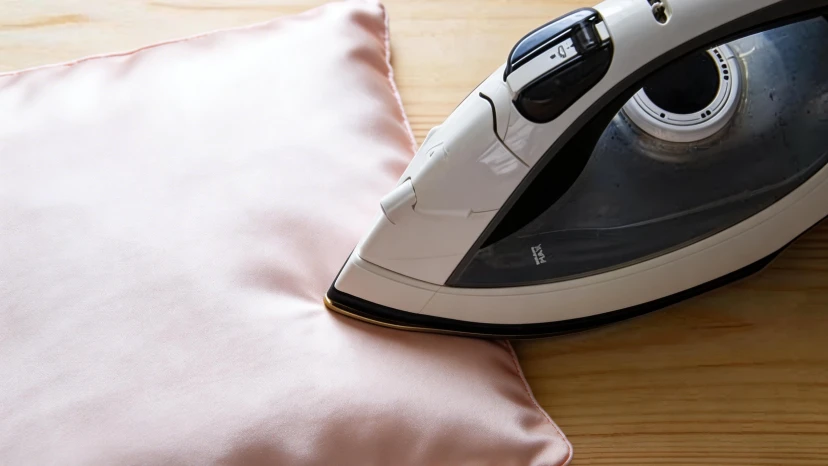
How to Store Silk Pillowcases to Preserve Their Softness and Color
How you store your silk pillowcases between uses — and especially during seasonal rotation — directly affects their longevity, color vibrancy, and fabric integrity. Silk is a natural protein fiber, and like wool and cashmere, it can be damaged by light exposure, humidity, insects, and improper folding.
Daily Storage
If you have a rotation of two or three silk pillowcases and switch them regularly, the ones not in use can be stored in a clean dresser drawer or linen closet. Keep them away from direct sunlight — even indirect light from a window can fade silk dyes over time. Store silk pillowcases separately from items with zippers, hooks, or rough textures that could snag the delicate surface.
Long-Term Storage
For silk pillowcases you are storing for an extended period — for example, seasonal bedding sets or backup pillowcases — follow these guidelines:
- Wash before storing. Make sure the pillowcase is completely clean and dry. Body oils, skincare residue, and invisible stains oxidize over time and can cause permanent yellowing or discoloration.
- Wrap in acid-free tissue paper. Regular paper, newspaper, and cardboard are acidic and can transfer stains to silk over time. Acid-free tissue paper provides a neutral, protective layer.
- Use a breathable fabric bag. Store the wrapped pillowcase in a cotton or muslin bag. Never seal silk in a plastic bag — plastic traps moisture and creates conditions for mildew, mold, and fiber deterioration.
- Add a natural moth deterrent. Cedar blocks or dried lavender sachets placed near (but not touching) the silk help repel moths and carpet beetles without chemicals. Do not let cedar or lavender make direct contact with the silk fabric, as their natural oils can leave marks.
- Store in a cool, dark, dry location. Ideal conditions are 45% to 55% relative humidity and temperatures between 16°C and 21°C (60°F to 70°F).
Common Mistakes When Washing a Silk Pillow Cover and How to Avoid Them
Even careful silk pillowcase owners sometimes make mistakes that reduce the lifespan and beauty of their bedding. Here are the most common errors — and the simple fixes.
Mistake 1: Using Hot Water
Hot water causes silk fibers to swell, contract unevenly, and lose their natural alignment — resulting in shrinkage and a rough, papery texture. Always use cool to lukewarm water at 30°C (86°F) or below.
Mistake 2: Using Regular Laundry Detergent
Standard detergents have a high pH (9–12) and often contain enzymes, sulfates, and optical brighteners that damage silk protein fibers. Switch to a pH-neutral, enzyme-free silk detergent or mild baby shampoo.
Mistake 3: Adding Fabric Softener
Fabric softener coats silk fibers with a waxy residue that blocks the fabric's natural breathability, reduces moisture-wicking ability, and dulls the silk sheen. Silk is naturally soft — it does not need, and is harmed by, fabric softener.
Mistake 4: Wringing or Twisting the Wet Pillowcase
Silk loses approximately 20% of its tensile strength when wet. Twisting and wringing wet silk stretches the fibers beyond their elastic limit, causing permanent warping and distortion. Always press gently in a rolled towel to remove excess water.
Mistake 5: Tumble Drying on a Heat Setting
High heat shrinks silk, weakens fibers, and can cause a permanent rough texture. Air dry flat, or use the dryer's "air only / no heat" setting for a brief period only. Never use a regular or high-heat dryer cycle.
Mistake 6: Drying in Direct Sunlight
UV radiation breaks down silk protein and fades dyes — and this damage is cumulative and irreversible. Always dry silk pillowcases in the shade or indoors, away from direct light.
Mistake 7: Washing Too Infrequently
Letting body oils, skincare products, and sweat accumulate on a silk pillowcase for weeks without washing creates a residue layer that dulls the surface, harbors bacteria, and can cause the silk to feel greasy or stiff. Aim to wash every 7 to 10 days for the best balance of hygiene and fabric care.
Mistake 8: Storing Silk While Damp or Dirty
Putting a silk pillowcase away while still damp invites mildew and mold growth. Storing it with invisible stains allows those substances to oxidize and permanently discolor the fabric. Ensure the pillowcase is clean and completely dry before any storage.
Source Premium Silk Pillowcases from DreamSilk for Your Brand
If you are a brand owner, retailer, e-commerce seller, or hospitality company looking to offer silk pillowcases to your customers, DreamSilk provides full OEM/ODM manufacturing support for custom silk bedding products. As a professional silk product manufacturer based in Suzhou, China — the historic center of Chinese silk production — we produce custom silk pillowcases, silk sheets, silk duvet covers, and silk bedding sets for brands across 50+ countries.
Our customization capabilities cover every detail:
- Fabric: 6A-grade 100% mulberry silk, available in 16 / 19 / 22 / 25 / 30 momme, all OEKO-TEX® certified
- Sizes: Standard, Queen, King, Euro, and custom dimensions
- Colors: Pantone color matching with solid dye or custom print designs
- Closure: Envelope closure, hidden zipper, or Oxford border — based on your product positioning
- Branding: Custom woven labels, printed labels, embroidered logos, and hang tags
- Packaging: Gift boxes, silk pouches, OPP bags, or fully custom branded packaging solutions
MOQ starts at just 50 pieces. Whether you have a complete specification ready or need help developing the product from concept, our team will guide you through sampling, production, and delivery.
Ready to get started? Contact us today for a free quote, or send your requirements directly to info@dreamsilken.com. Let's create silk pillowcases your customers will love — and know how to care for.
FAQ
Yes, many high-quality mulberry silk pillowcases (especially those rated 19 momme and above) can withstand gentle machine washing. Place the pillowcase inside out in a mesh laundry bag, select the most delicate cycle with the lowest spin speed, use cold water and silk-safe detergent, and remove it immediately after the cycle ends. However, hand washing is always gentler and carries less risk of fiber damage.
Regular laundry detergents are too alkaline for silk and often contain enzymes designed to break down protein-based stains. Since silk itself is a protein fiber, these enzymes gradually degrade the fabric — causing it to feel rough, lose its natural luster, and weaken over time. One wash with regular detergent may not cause visible damage, but repeated use will noticeably deteriorate the quality of your silk pillowcase.
Yellowing on silk pillowcases is usually caused by a buildup of body oils, detergent residue, or UV light exposure. To restore brightness, soak the pillowcase for approximately five minutes in a basin of cool water with one tablespoon of white distilled vinegar. The mild acidity of the vinegar breaks down residue and helps restore the original color. Hand wash normally after soaking and air dry out of direct sunlight.
Professional dry cleaning is a safe option for silk pillowcases, especially for stubborn stains or delicate pieces that cannot be safely washed at home. However, the chemical solvents used in dry cleaning can have a drying effect on silk fibers over time. For routine weekly cleaning, home hand washing or gentle machine washing is generally preferable and more economical than frequent dry cleaning.
Yes. Adding one tablespoon of white distilled vinegar per liter of water during the final rinse step helps neutralize alkaline detergent residue, restore the natural pH of the silk fiber, and enhance the fabric's softness and sheen. Do not use vinegar during the initial wash — only during the rinse. The vinegar smell dissipates completely as the pillowcase dries.
A high-quality mulberry silk pillowcase (19 momme or above) can last two to five years with proper washing and care — significantly longer than most cotton or polyester pillowcases. The key factors that extend lifespan are using the right detergent, washing in cool water, avoiding heat drying, and rotating between multiple pillowcases to distribute wear evenly.