


Custom Silk Product Design Support
We provide product design support for custom projects as an initial stage of silk product development.
You may submit existing design files, or work with our design team to optimize structures, dimensions, and manufacturing feasibility based on your current concepts.
When only ideas or requirement descriptions are available, our design team can develop the required design solutions according to product application, process conditions, and subsequent production requirements.
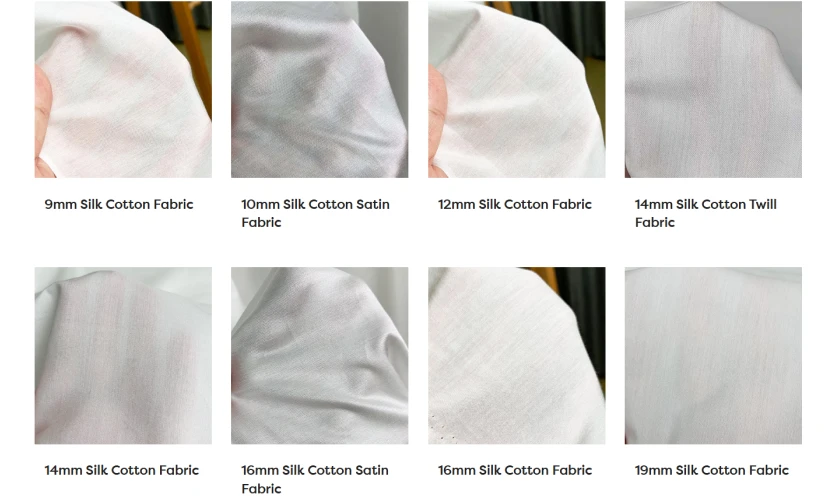
Silk Material Selection
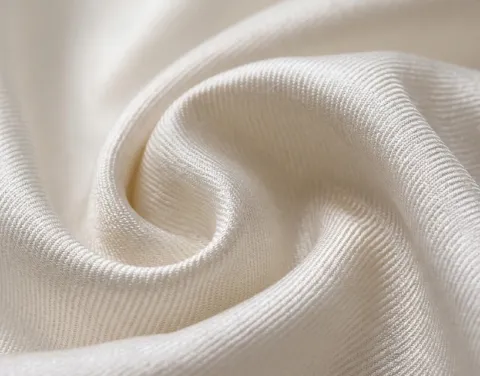
First of all, the texture, thickness, weight, and related technical parameters of silk materials directly determine a product’s appearance, hand feel, and drape.
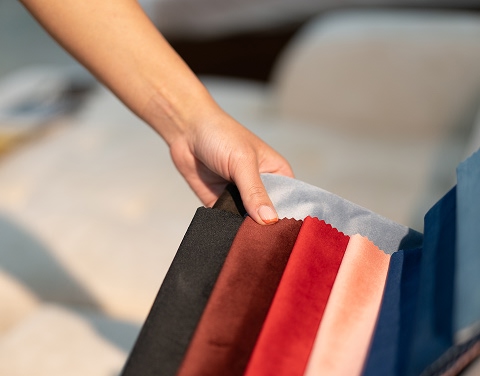
At the early stage of customization, we actively communicate with you regarding product applications and usage requirements, and provide practical guidance on fabric selection.
Silk fabrics with different weights—commonly measured in the industry by momme—offer distinct surface textures and performance characteristics, ranging from lightweight and fluid options to fabrics with more structure for specific uses.
For a clearer reference, you may also read {Article Title} prepared by our team to better understand the differences among common silk specifications.
In addition, material grade and safety certification are important considerations in silk product customization.
For most projects, we select OEKO-TEX® Standard 100 certified 6A grade 100% mulberry silk as a commonly used material option that meets quality and safety requirements.
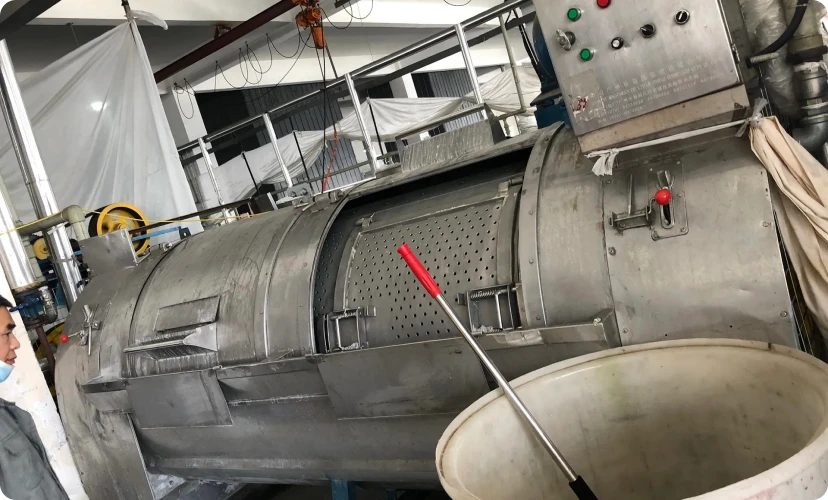
Fabric Pre-treatment
Fabric pre-treatment plays a critical role before silk materials enter printing, embroidery, and subsequent processing stages.
Based on specific product process requirements and intended applications, we apply appropriate pre-treatment adjustments to ensure fabric stability and consistent performance throughout production and mass manufacturing.
Proper pre-treatment also helps improve the structural stability of silk fabrics, significantly reducing deformation and performance variation during actual product use.
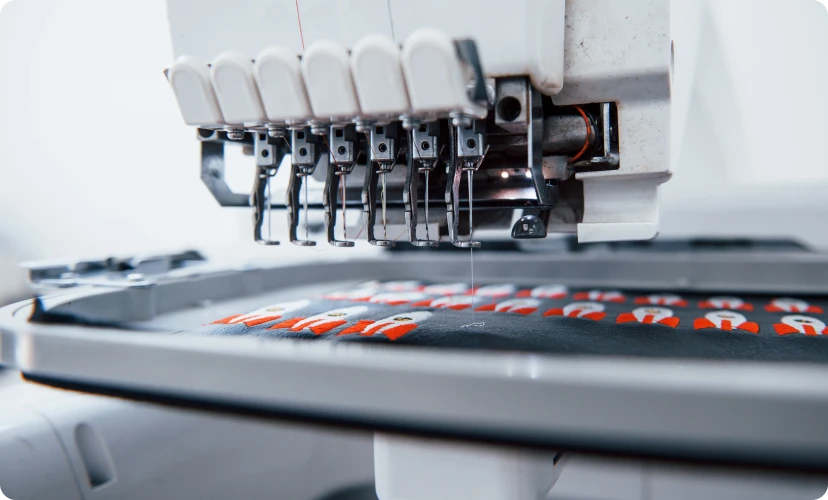
Embroidery Process
Not all silk products are suitable for embroidery, but there is no need to worry. At the early stage of customization, we assist you with a thorough evaluation. Based on factors such as fabric momme weight, embroidery pattern size and density, as well as the product’s actual usage, we provide professional recommendations on embroidery results and final product performance.
During embroidery execution, key parameters such as stitch density and thread tension are carefully controlled. If not properly managed, these factors may cause wrinkling or localized deformation of silk fabrics. Stable process control is essential to achieving a balance between embroidery appearance and fabric structure.
Before mass production, embroidery samples are prepared and submitted to you for confirmation. Once approved, the confirmed sample is used as the execution reference for subsequent production, ensuring consistency in appearance and performance across production batches.
Printing Process
We offer digital printing and screen printing for silk products, and work with you to confirm the most appropriate process based on visual requirements, pattern complexity, and cost considerations. In actual production, the choice of printing method affects not only the final visual appearance, but also color stability and consistency during subsequent use. During printing, we use the approved sample as the reference to control color matching and batch consistency, ensuring that color deviations between different production batches are minimized. Digital Printing: Digital printing is suitable for designs with detailed patterns, rich color layers, or gradient effects. This process offers advantages in image reproduction accuracy and design flexibility, and is commonly used for small-batch customization or products with frequent design variations. In practical application, digital printing results are evaluated in combination with fabric characteristics and pre-treatment conditions. Screen Printing: Screen printing is suitable for designs with relatively simple patterns, clear color blocks, and higher requirements for color consistency. This process offers advantages in color coverage, batch stability, and cost control for large-scale production. It is commonly used for repeat orders or long-term production projects and performs reliably in mass production.
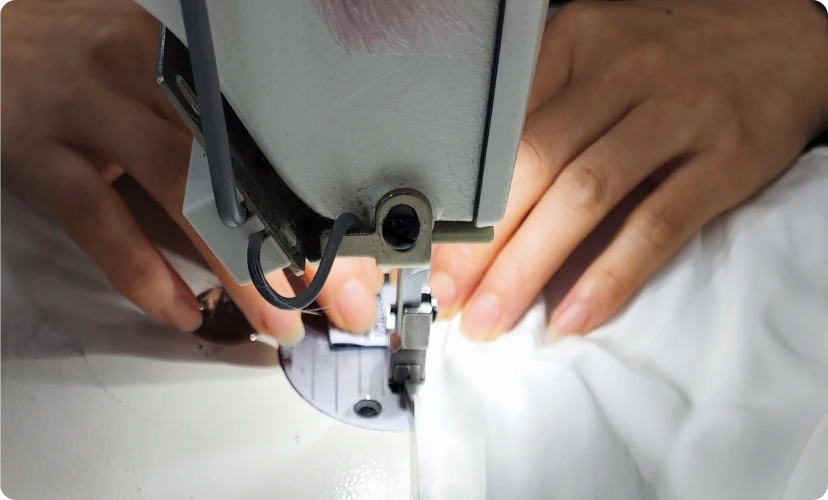
Cutting & Sewing
Cutting and sewing directly affect the structural integrity and user experience of the final product, and are also critical stages for consistency control. Silk is inherently soft and smooth, which makes it more challenging to handle compared with many other fabrics. For this reason, at this stage we place particular emphasis on precise planning and control of pattern layout, fabric direction, and dimensional accuracy to complete this seemingly basic but technically demanding process.
During sewing, we do not rely on simplified or purely standardized operations. Instead, based on specific product requirements, we carefully plan sewing direction and panel joining methods, and apply a considered balance between manual craftsmanship and machine processing. This approach helps ensure that structural details align with the product design and perform reliably in actual use.
Quality Control & Process Management

Material Selection and Pre-treatment
Premium silk materials are carefully selected. Before production, fabrics are inspected and their condition is verified, followed by targeted pre-treatment based on specific process requirements. This helps ensure stable performance during printing, embroidery, sewing, and throughout actual product use.

Key Dimension and Structural Control
For different product types, key dimensions and structural areas are closely controlled. Through management of patterns, load-bearing areas, and structural consistency, finished products maintain stable appearance and functional performance in real-world use.

Process-Based Quality Confirmation
During production, quality confirmation is carried out at multiple key process stages. Through staged inspections and confirmations, and when necessary, communication with you, each process output is ensured to meet the requirements of the next stage until final delivery is completed.

Finished Product Inspection and Delivery Confirmation
Before delivery, finished products undergo systematic inspection, including appearance condition, structural integrity, and overall completion status. Products proceed to delivery only after meeting established quality requirements.