

How to Wash a Silk Scarf: The Complete Care Guide for Every Fabric Type


A silk scarf is one of the most versatile accessories in any wardrobe. Whether you wear it as a silk neck scarf, a silk headscarf, a silk hair wrap, or a decorative bag accessory, this elegant piece of fabric adds texture, color, and sophistication to almost any outfit. But unlike cotton or polyester scarves, a real silk scarf requires careful attention when it comes to cleaning. Washing silk the wrong way — even once — can cause permanent damage including color bleeding, fiber breakdown, shrinkage, and loss of the natural luster that makes silk so beautiful in the first place.
If you have been hesitant to wash your silk scarf at home, or if you have accidentally damaged one in the past, this guide is for you. We will walk you through every step of the process — from understanding what makes silk fabric unique, to hand washing, drying, ironing, removing stains, and storing your silk scarf properly for long-term preservation. As a professional silk product manufacturer with over a decade of experience producing custom silk scarves for brands around the world, we have extensive first-hand knowledge of how different silk fabrics respond to various cleaning methods.
By the end of this article, you will know exactly how to wash a silk scarf safely at home and how to keep it looking vibrant and smooth for years.
Table of Contents Why Your Silk Scarf Needs Special Washing Care What to Do Before You Clean a Silk Scarf How to Hand Wash a Silk Scarf Step by Step Can You Machine Wash a Silk Headscarf or Silk Wrap? How to Dry a Silk Scarf Without Damaging the Fabric How to Iron and Steam a Silk Neck Scarf Safely How to Remove Stains from a Silk Shawl or Silk Scarf Best Detergents and Cleaning Products for Silk Fabric Care How to Store a Silk Scarf to Maintain Its Color and Shape Common Silk Scarf Washing Mistakes and How to Avoid Them Frequently Asked Questions About Washing Silk Scarves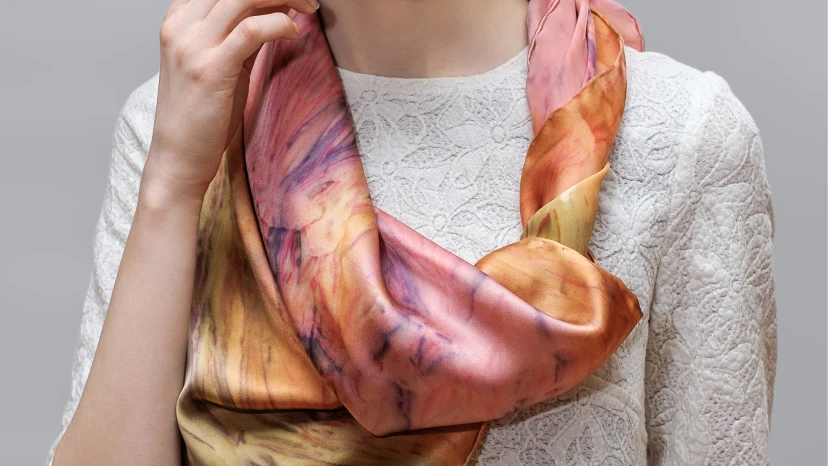
Why Your Silk Scarf Needs Special Washing Care
Before you run water over your favorite silk scarf, it helps to understand why silk fabric is different from virtually every other textile in your closet. Silk is a natural protein fiber produced by the silkworm Bombyx mori. Its molecular structure is similar to human hair and skin — which is why it feels so incredibly smooth and gentle against the body. But that same protein structure also makes silk fiber vulnerable to damage from heat, harsh chemicals, alkaline detergents, and mechanical agitation.
When you wash silk improperly, several things can go wrong. Hot water causes silk fibers to swell, contract, and lose their alignment — leading to noticeable shrinkage and a rough, papery texture. Alkaline detergents (most standard laundry soaps have a pH of 9 to 12) strip the natural sericin coating from the fiber, leaving it dry, brittle, and dull. Chlorine bleach breaks down the protein chains on contact, causing irreversible damage. And aggressive scrubbing or wringing weakens the fiber at a structural level, especially when silk is wet — because silk loses approximately 20% of its tensile strength when saturated with water.
The Smithsonian Institution's conservation guidelines for silk textiles note that silk is extremely susceptible to light damage, chemical exposure, and mechanical stress, and that even dry cleaning chemicals can yellow pale silk and weaken fibers over time. If museum conservators treat silk with this level of caution, it is worth applying the same care to the silk scarves in your everyday wardrobe.
Understanding silk's vulnerabilities is the first step toward washing it correctly. The good news is that hand washing a silk scarf at home is not difficult — it simply requires the right water temperature, the right detergent, and a gentle technique. Silk is a remarkably resilient fiber when handled properly, and a well-cared-for silk scarf can last for decades without losing its color or softness.
What to Do Before You Clean a Silk Scarf
Proper preparation is essential before you wash any silk garment or silk accessory. Skipping these preliminary checks is one of the most common reasons people damage their silk scarves during cleaning. A few minutes of inspection now can save you from permanent color loss, bleeding, or structural damage later.
Read the Care Label
Every silk scarf should come with a care label or a set of washing instructions from the manufacturer. This label tells you whether the scarf is safe for hand washing, whether it requires dry cleaning only, and what water temperature is recommended. Some silk scarves are treated with water-resistant or specialty finishes that do not respond well to home washing. If the label explicitly says "dry clean only," respect that instruction — especially for heavily embellished silk scarves, printed silk shawls with non-colorfast dyes, or vintage silk pieces with fragile construction.
Test for Colorfastness
Silk is famous for its ability to hold rich, saturated dyes — but not all dyes are equally stable in water. Before submerging your entire silk scarf, test a small, inconspicuous area. Dampen a corner or inner edge of the scarf with cool water, then press it against a clean white cloth or paper towel for 30 seconds. If any color transfers to the white surface, the scarf is not colorfast and should not be washed at home. In that case, take it to a professional dry cleaner who specializes in delicate fabrics and silk garments.
Inspect for Stains, Damage, and Loose Threads
Before you begin washing, lay your silk scarf flat on a clean surface and examine it thoroughly. Look for visible stains — makeup, food, perfume, or oil marks — and note their location. These may need spot treatment before full washing. Also check for loose threads, pulled fibers, or fraying edges. Silk is delicate when wet, and existing weak points can worsen during washing if you are not aware of them. For heavily stained or damaged silk scarves, consider professional cleaning rather than attempting home treatment.
Gather Your Supplies
You will need the following items to hand wash a silk scarf at home:
- A clean basin, sink, or large bowl
- Cool or lukewarm water (no warmer than 30°C / 86°F)
- A pH-neutral, enzyme-free silk detergent (or mild baby shampoo as a substitute)
- A clean white towel for blotting
- A flat drying rack or clean, dry surface
- Optional: white distilled vinegar for the rinse cycle
Once you have everything prepared, you are ready to wash.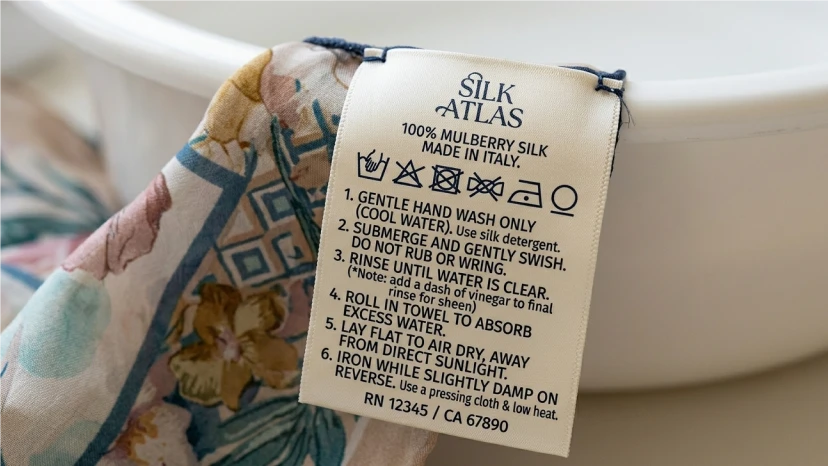
How to Hand Wash a Silk Scarf Step by Step
Hand washing is the safest and most effective method for cleaning a silk scarf at home. It gives you complete control over the water temperature, the amount of agitation, and the duration of contact between the silk fabric and the cleaning solution. Here is the complete process for washing a silk scarf by hand without damaging the color, texture, or shape of the fabric.
Step 1: Fill the Basin with Cool Water
Fill your clean basin or sink with cool to lukewarm water. The ideal temperature for washing silk is between 20°C and 30°C (68°F to 86°F). Water that is too hot can cause silk fibers to shrink, distort, and lose their natural sheen. If you cannot measure the temperature, aim for water that feels cool or slightly warm to the touch — never hot.
Step 2: Add a Small Amount of Silk Detergent
Add a few drops of a pH-neutral silk detergent to the water and swirl gently with your hand to create a light, even solution. You do not need much — about half a teaspoon per liter of water is sufficient for most silk scarves. If you do not have a silk-specific detergent, a mild baby shampoo can work as a temporary substitute. Never use regular laundry detergent, dish soap, bleach, or any product containing enzymes, sulfates, or optical brighteners. These ingredients are too aggressive for silk protein fibers and will cause lasting damage.
Step 3: Submerge the Silk Scarf
Place your silk scarf into the water and gently press it down until it is fully submerged. Allow the scarf to soak for three to five minutes. During this time, you can very gently swish the scarf back and forth with your hands to help the detergent solution lift dirt and oils from the fabric. Do not rub, scrub, twist, or wring the silk — any aggressive mechanical action can break fibers and cause permanent texture damage.
Step 4: Rinse Thoroughly with Clean Cool Water
Drain the soapy water and refill the basin with fresh, cool water. Gently move the silk scarf through the clean water to rinse out all detergent residue. You may need to repeat this step two or three times until the water runs completely clear and no soap bubbles remain. Leftover detergent on silk can attract dirt, dull the surface, and cause stiffness over time.
Optional: During the final rinse, add one tablespoon of white distilled vinegar per liter of water. The mild acidity of the vinegar (around pH 2.5 to 3) helps neutralize any remaining alkaline soap residue, restores the natural pH of the silk fiber, and enhances the fabric's luster and softness. The vinegar smell will dissipate completely as the scarf dries.
Step 5: Remove Excess Water Gently
Lift the silk scarf out of the water and let it drip for a few seconds. Then lay it flat on a clean white towel. Roll the towel and the scarf together gently, pressing softly to absorb excess moisture. Do not twist, wring, or squeeze the scarf. Repeat with a second dry towel if necessary. The goal is to remove as much water as possible without applying any mechanical stress to the wet silk fibers.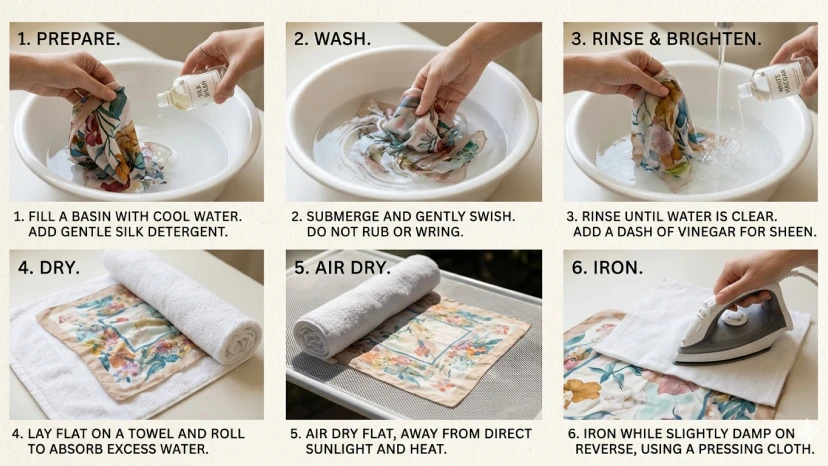
Can You Machine Wash a Silk Headscarf or Silk Wrap?
This is one of the most frequently asked questions about silk scarf care, and the answer depends heavily on the specific silk product, its weight, its dye quality, and your washing machine settings.
In general, machine washing is not recommended for silk scarves. Even on a delicate or hand-wash cycle, the agitation inside a washing machine drum is significantly more aggressive than gentle hand washing. The scarf can tangle with other items, catch on zippers or hooks, and be subjected to spin speeds that stretch and distort the fabric. Additionally, most home washing machines do not offer precise enough temperature control to stay within the safe range for silk.
However, if you must machine wash a silk scarf — for example, if you have a large number of lightweight silk scarves to clean and hand washing each one individually is impractical — follow these precautions:
- Place the silk scarf inside a mesh laundry bag to protect it from friction and tangling
- Select the most delicate cycle available on your machine with the lowest spin speed
- Use cold water only — never warm or hot
- Add a small amount of silk-safe, pH-neutral detergent
- Do not wash silk with heavy fabrics like denim, towels, or garments with zippers and metal hardware
- Remove the scarf immediately after the cycle ends — do not let it sit wet in the drum
Even with these precautions, machine washing carries more risk than hand washing for delicate silk accessories. For valuable silk scarves, vintage silk shawls, hand-painted silk wraps, or silk scarves with intricate embroidery or beading, always hand wash or use professional dry cleaning. The relatively small effort of a five-minute hand wash is the best way to protect your investment.
How to Dry a Silk Scarf Without Damaging the Fabric
Drying is just as important as washing when it comes to silk scarf care. Incorrect drying methods — including tumble drying, direct sunlight exposure, or hanging with clothespins — can cause shrinkage, color fading, water marks, and permanent creases that are difficult to remove.
The Flat Drying Method (Recommended)
The safest way to dry a silk scarf is to lay it flat in its natural shape on a clean, dry towel or a mesh drying rack. Smooth out any wrinkles or folds with your hands while the fabric is still damp. Make sure the scarf is spread evenly with no bunching, overlapping, or folded edges. Allow it to air dry at room temperature in a well-ventilated area away from direct sunlight, radiators, hair dryers, or any direct heat source.
Why You Should Avoid Direct Sunlight
Ultraviolet radiation from sunlight breaks down silk protein fibers and causes dyes to fade — especially vibrant reds, blues, and purples. Even brief direct sun exposure during drying can leave uneven discoloration on a wet silk scarf. The conservation research referenced by the Smithsonian notes that light damage to silk is cumulative and irreversible. Always dry your silk scarf in the shade or indoors.
Never Tumble Dry
Tumble dryers combine high heat with intense mechanical action — both of which are extremely damaging to silk. The heat can cause significant shrinkage, and the tumbling action tangles, stretches, and abrades the delicate fibers. There is no safe tumble dryer setting for silk scarves. Always air dry.
Do Not Hang with Clips or Clothespins
Hanging a wet silk scarf from a clothesline with clips can leave permanent pinch marks and distort the shape of the fabric, especially near the edges. If you prefer to hang-dry, drape the scarf loosely over a padded hanger or a smooth drying rack — never clip or pin it.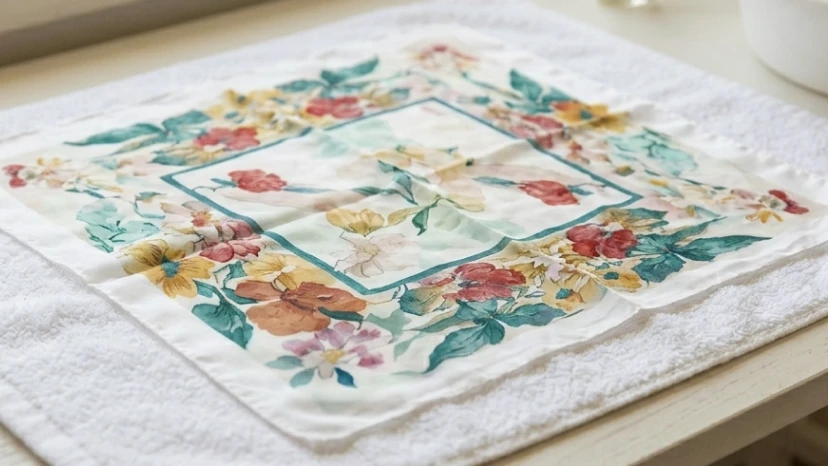
How to Iron and Steam a Silk Neck Scarf Safely
Silk wrinkles easily, especially after washing. Ironing can restore the smooth, polished appearance of your silk scarf — but it needs to be done carefully to avoid heat damage, water spots, or scorching.
Ironing a Silk Scarf
The best time to iron a silk scarf is while it is still slightly damp from washing. If the scarf has already dried completely, lightly mist it with cool water from a spray bottle before ironing.
- Set your iron to the lowest heat setting — most irons have a dedicated "silk" setting, typically between 110°C and 130°C (230°F to 270°F)
- Turn the silk scarf inside out, or place a thin cotton pressing cloth between the iron and the silk surface to prevent direct heat contact
- Iron with smooth, steady strokes — do not press down hard or let the iron sit in one spot
- Work in one direction, following the grain of the fabric
- Do not use the steam function of your iron directly on printed silk, as steam can cause some dyes to bleed or leave water spots
Using a Garment Steamer
A handheld garment steamer is a gentler alternative to a traditional iron for removing wrinkles from silk scarves. Hold the steamer at a distance of about 15 to 20 centimeters (6 to 8 inches) from the fabric and let the steam relax the fibers naturally. Steaming is especially useful for large silk shawls, silk wraps, and silk scarves with delicate prints or embroidery that might be damaged by direct iron contact. After steaming, lay the scarf flat until it cools and the moisture dissipates completely.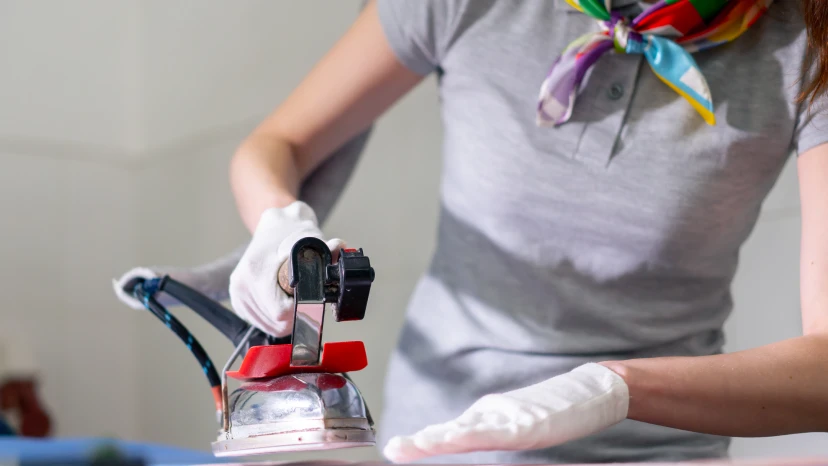
How to Remove Stains from a Silk Shawl or Silk Scarf
Stains on silk can be stressful, but many common stains can be treated at home if you act quickly and use the right approach. The golden rule for silk stain removal is: act fast, be gentle, and never rub.
General Spot Cleaning Method
- Blot the stain immediately with a clean, white, absorbent cloth. Press gently — do not rub or scrub, as this pushes the stain deeper into the fibers and can damage the silk surface.
- Mix a small amount of silk-friendly detergent with cool water to create a mild cleaning solution.
- Using a clean cotton cloth or cotton ball, dab the solution onto the stain, working from the outer edge inward to prevent the stain from spreading.
- Blot with a clean, damp cloth to rinse the area.
- Lay the scarf flat to air dry, then assess whether the stain has been fully removed before proceeding to a full wash.
Treating Specific Stain Types on Silk
| Stain Type | Recommended Treatment | Important Notes |
|---|---|---|
| Makeup / Foundation | Blot with a cloth dampened with cool water and a tiny drop of silk detergent. Repeat gently until lifted. | Never use makeup remover wipes — they contain alcohol and chemicals that damage silk. |
| Oil / Grease | Sprinkle a light layer of cornstarch or talcum powder on the stain. Let it sit for 30 minutes to absorb the oil, then brush off gently and hand wash. | Do not apply dish soap directly to silk fabric. |
| Red Wine | Blot immediately. Apply a solution of cool water with a few drops of white vinegar. Blot again, then hand wash the entire scarf. | Do not use salt on silk — it can pull moisture and dye from the fiber. |
| Coffee / Tea | Blot excess liquid. Soak the stained area in a cool water and silk detergent solution for 5 minutes, then hand wash. | Treat as quickly as possible — tannin stains set fast on protein fibers. |
| Ink | Dab very carefully with a cloth moistened with rubbing alcohol, testing on a hidden area first. Blot — do not rub. | Ink is one of the hardest stains to remove from silk. Consider professional cleaning for large ink stains. |
| Perfume | Hand wash the scarf with silk detergent as soon as possible. Perfume contains alcohol and chemicals that can discolor silk over time. | Avoid spraying perfume directly onto silk — spray it on your skin or hair before putting the scarf on. |
| Water Spots | Dampen the entire scarf uniformly with cool water, then lay flat to dry. Water spots occur when only part of the silk gets wet, creating visible rings. | This is not technically a "stain" — it is a result of uneven moisture absorption on the silk surface. |
For any stain you cannot identify or treat confidently, the safest option is to take the silk scarf to a professional cleaner. Aggressive home treatment of an unknown stain can often cause more damage than the stain itself.
Best Detergents and Cleaning Products for Silk Fabric Care
Choosing the right cleaning product is arguably the most critical decision in the entire silk scarf washing process. Using the wrong detergent can undo all the care you put into water temperature and gentle handling. Silk is a protein fiber with a naturally slightly acidic pH of around 5.5 — similar to human skin and hair. Standard laundry detergents typically have a pH between 9 and 12, which is far too alkaline for silk and will cause the fiber to harden, lose its sheen, and become brittle over extended use.
When selecting a detergent for your silk scarf, silk shawl, or any silk accessory, look for these characteristics:
- pH-neutral formula (pH 5.5 to 7) — matches the natural chemistry of silk protein fibers
- Enzyme-free — enzymes (especially protease) are designed to break down protein-based stains, but silk itself is a protein and will be degraded by these same enzymes
- Free from chlorine bleach, sulfates, phosphates, and optical brighteners — all of these chemicals damage silk fibers and can alter colors
- Low-foam formula — reduces the amount of rinsing needed, which means less handling and less water contact for the silk
| Cleaning Product Type | Safe for Silk Scarves? | Notes |
|---|---|---|
| Dedicated silk / wool detergent (pH-neutral, enzyme-free) | Yes — Best choice | Formulated specifically for protein-based fibers. Preserves softness, luster, and color. |
| Mild baby shampoo (fragrance-free) | Yes — Good substitute | Gentle pH and no harsh chemicals. Use sparingly — a few drops per basin is enough. |
| Castile soap (pure, unscented) | Use with caution | Some castile soaps are mildly alkaline. Test on a small area first and rinse very thoroughly. |
| Standard laundry detergent | No — Avoid | High pH (9-12), contains enzymes, sulfates, and optical brighteners that damage silk protein. |
| Dish soap / dishwashing liquid | No — Avoid | Formulated to cut grease aggressively — far too harsh for delicate silk fibers. |
| Chlorine bleach | Never | Destroys silk protein fibers on contact. Causes irreversible yellowing and fiber disintegration. |
| Fabric softener | No — Unnecessary | Leaves a coating on silk that dulls its natural luster. Silk is naturally soft and does not need softener. |
| White distilled vinegar (in rinse water) | Yes — Optional rinse aid | 1 tablespoon per liter in the final rinse neutralizes soap residue and enhances silk shine. |
A small bottle of quality silk detergent lasts a long time because you only need a few drops per wash. It is a worthwhile investment for anyone who owns silk scarves, silk pillowcases, silk clothing, or silk bedding. Protecting the protein structure of the fiber during washing is what keeps your silk products feeling luxurious and looking vibrant wash after wash.
How to Store a Silk Scarf to Maintain Its Color and Shape
How you store your silk scarf between wearings matters just as much as how you wash it. Improper storage can cause permanent creasing, color fading, yellowing, fiber weakening, and even insect damage. Silk is a natural protein fiber — and like other protein-based materials such as wool and cashmere, it is attractive to clothes moths and carpet beetles if not stored properly.
Short-Term Storage (Daily Use)
If you wear your silk scarf regularly, the best storage method is to hang it loosely over a padded hanger or drape it over a smooth wooden or fabric-covered rack. This prevents fold lines and creases from setting into the fabric. Avoid hanging silk in direct sunlight or near windows — UV light fades silk dyes and weakens the fiber over time, even through window glass.
Long-Term Storage (Seasonal)
For silk scarves you are storing for an extended period — for example, seasonal silk wraps or silk shawls you only wear in certain weather — follow these guidelines:
- Make sure the scarf is completely clean and dry before storing. Invisible stains from body oils, perfume, or food can oxidize over time and cause permanent discoloration or attract insects.
- Wrap the silk scarf loosely in acid-free tissue paper. Regular paper, newspaper, and cardboard are acidic and can transfer yellow stains to silk over time.
- Store in a breathable cloth bag (cotton or muslin) in a cool, dark, dry location. Never seal silk in a plastic bag — plastic traps moisture and can cause mildew, mold, and an environment conducive to fiber deterioration.
- If you must fold the scarf, refold it periodically (every two to three months) so that the same crease lines are not under constant pressure. Permanent fold marks are one of the most common storage-related damage issues for silk textiles.
- Consider adding a natural moth deterrent such as cedar blocks or dried lavender sachets — but do not let these items touch the silk fabric directly, as oils from cedar and botanical materials can stain silk.
Humidity and Temperature
Silk performs best in stable environmental conditions. A relative humidity of 45% to 55% and a temperature between 16°C and 21°C (60°F to 70°F) is ideal. Very dry conditions make silk brittle, while high humidity promotes mold growth and accelerates fiber degradation. If you live in a very humid or very dry climate, consider using a dehumidifier or humidifier in the room where you store your silk items.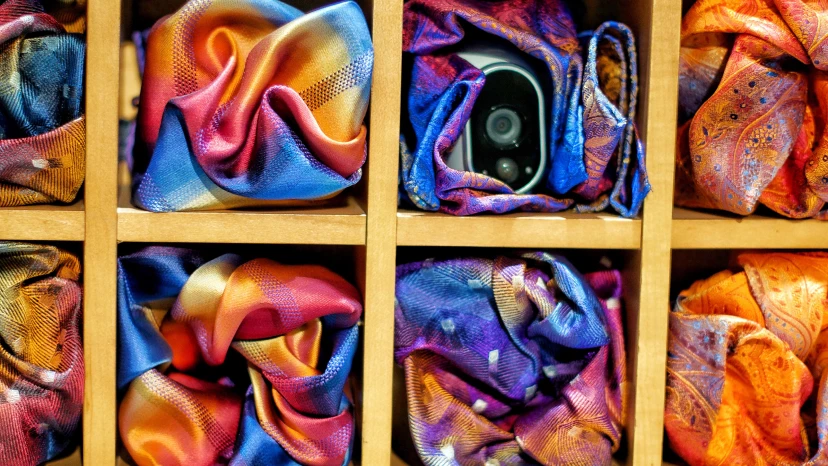
Common Silk Scarf Washing Mistakes and How to Avoid Them
Even well-intentioned silk scarf owners make mistakes that shorten the life of their accessories. Here are the most common errors we see — and what to do instead.
Mistake 1: Using Hot Water
Hot water causes silk fibers to contract, shrink, and lose their natural alignment. It can also cause certain dyes to bleed or shift. Always use cool to lukewarm water — 30°C (86°F) maximum.
Mistake 2: Rubbing or Scrubbing Stains
When a stain appears, the instinct is to rub it out. On silk, this is the worst thing you can do. Rubbing damages the delicate fiber surface, creates a rough patch that catches light differently from the surrounding fabric, and can push the stain deeper into the weave. Always blot gently, working from the outside of the stain inward.
Mistake 3: Wringing Out the Scarf
Silk loses significant tensile strength when wet. Twisting and wringing a wet silk scarf stretches the fibers beyond their elastic limit, causing permanent warping and distortion. Always roll the scarf in a towel and press gently to remove excess water.
Mistake 4: Using Regular Laundry Detergent
Standard laundry detergents are formulated for cotton, polyester, and other durable fabrics. Their high pH, enzyme content, and aggressive surfactants are destructive to silk protein fibers. Use only a pH-neutral, enzyme-free silk detergent or a mild baby shampoo.
Mistake 5: Drying in Direct Sunlight
Sunlight fades silk dyes and weakens the fiber structure through UV degradation. This damage is cumulative — even occasional sun drying adds up over time. Always dry silk in the shade or indoors, away from direct light.
Mistake 6: Storing Silk While Damp or Dirty
Putting a silk scarf away while it is still damp invites mildew and mold growth. Storing it with invisible stains — body oils, perfume residue, or food traces — allows those substances to oxidize and set permanently into the fabric. Always ensure your silk scarf is clean and completely dry before storage.
Mistake 7: Spraying Perfume Directly onto Silk
Perfume contains alcohol and chemical compounds that can stain, discolor, or weaken silk fibers. If you want to wear perfume with a silk scarf, apply it to your skin or hair and let it dry before putting the scarf on. Never spray fragrance directly onto the silk fabric.
Mistake 8: Ignoring the Care Label
Silk scarves from different manufacturers may have different care requirements based on the silk weight, dye process, weave type, and any specialty finishes applied. The care label exists for a reason — always read it before washing a new silk scarf for the first time.
FAQ
If you wear your silk scarf as a neck scarf in regular rotation, washing it every two to three weeks is generally sufficient. If you wear it as a silk headscarf or silk hair wrap that is in close contact with skin oils and hair products, you may need to wash it more frequently — roughly once a week during active use. Silk does not absorb odors as readily as cotton, so you do not need to wash it after every single wearing unless it has visible stains or has been exposed to strong smells.
Yes, professional dry cleaning is a safe option for silk scarves, especially for heavily stained pieces, vintage silk scarves, or embellished silk accessories that cannot be safely hand washed. However, frequent dry cleaning over time can have a drying effect on silk fibers due to the chemical solvents used in the process. For routine cleaning of everyday silk scarves, gentle hand washing at home is generally preferable.
Cool to lukewarm water between 20°C and 30°C (68°F to 86°F) is the safe range for washing silk. Avoid hot water — even water slightly above 30°C can cause some silk fabrics to shrink or lose their smoothness.
Yes. A small amount of white distilled vinegar (about one tablespoon per liter) added to the final rinse water can help neutralize soap residue, restore the natural pH of silk fiber, and enhance the fabric's sheen. The vinegar scent dissipates completely as the silk dries. Do not use vinegar on the initial wash — only during the rinse stage.
Hanging your silk scarf in a steamy bathroom while you shower is a simple, hands-free way to relax minor wrinkles. The ambient steam softens the fibers without direct heat contact. Alternatively, a handheld garment steamer held at a distance of 15 to 20 centimeters works well for deeper creases. For stubborn wrinkles, lightly mist the scarf with water and lay it flat to dry — the wrinkles will relax as the moisture evaporates.
Silk can shrink if washed in hot water, agitated aggressively, or tumble dried. When you follow proper hand washing techniques — cool water, gentle handling, flat drying — shrinkage is minimal to negligible. Most modern silk scarves are pre-treated during manufacturing to minimize shrinkage, but it is always wise to err on the side of caution with water temperature.
The process is the same as for a regular silk scarf — you simply need a larger basin or a clean bathtub. Fill the basin with cool water and silk detergent, submerge the shawl, soak for three to five minutes with gentle swishing, rinse thoroughly in clean water, and roll in a towel to remove excess moisture. For very large silk wraps, you may need to use two or three towels for the blotting step. Lay flat to dry on a clean surface that is large enough to support the full spread of the shawl without folding.