


Silk Cotton Fabric Wholesale — Custom Blend Manufacturer
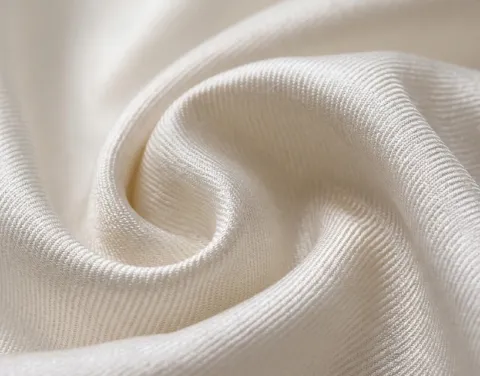
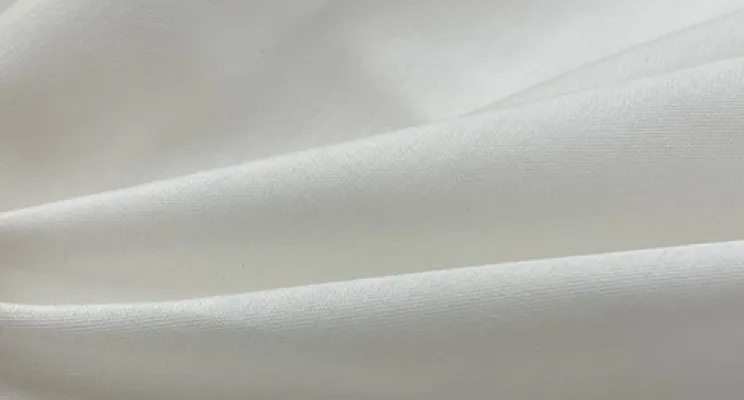
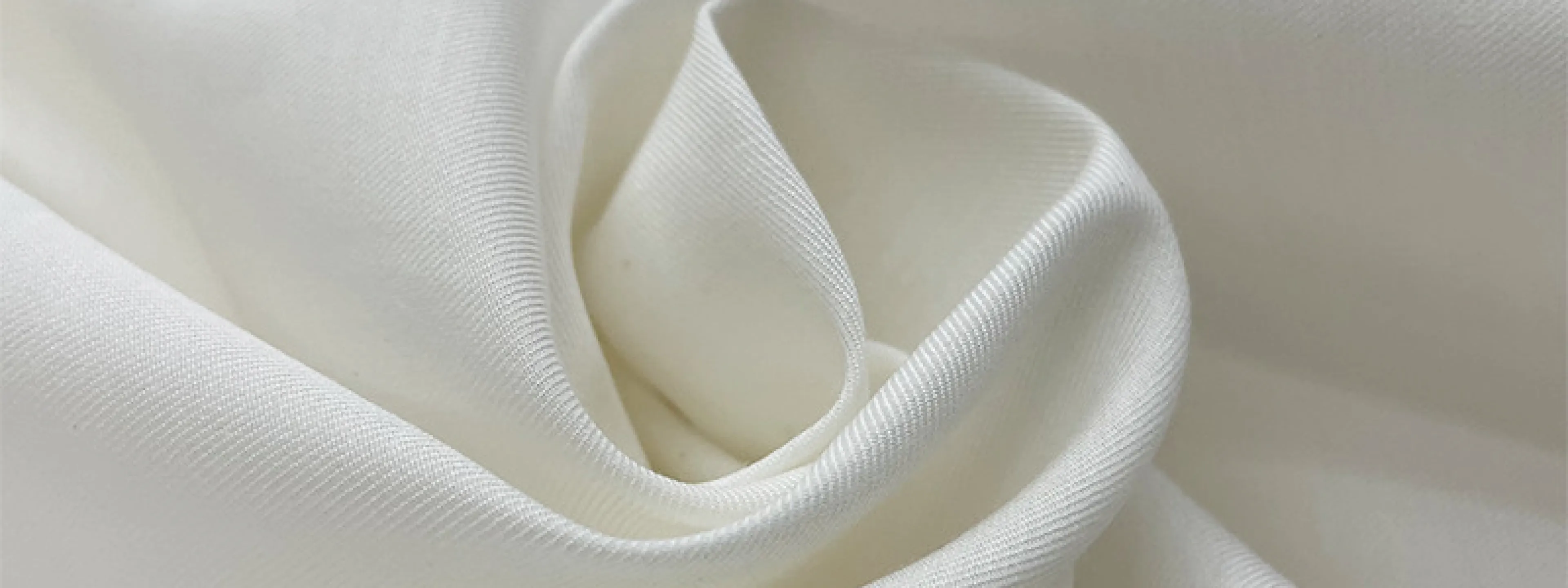
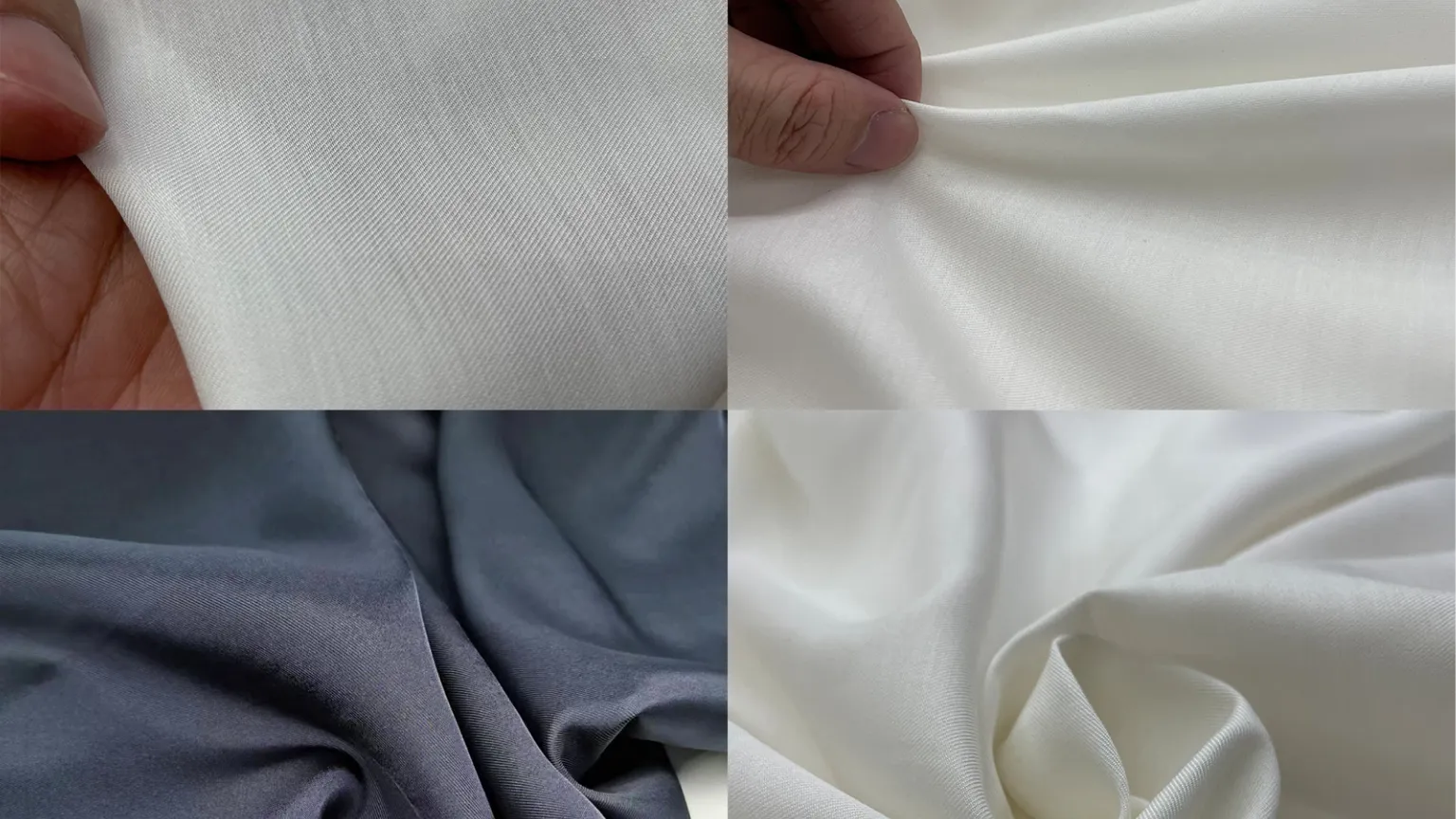
DreamSilk manufactures silk cotton blend fabric combining mulberry silk with cotton fiber. The blend balances silk's sheen and drape with cotton's breathability and structure. Available in voile, poplin, satin, and plain weave constructions.
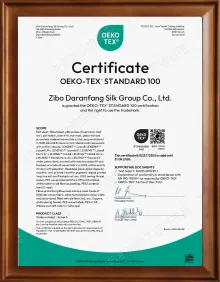
Custom blend ratios, dyeing, and printing. Wholesale pricing. OEKO-TEX® certified. Free samples.
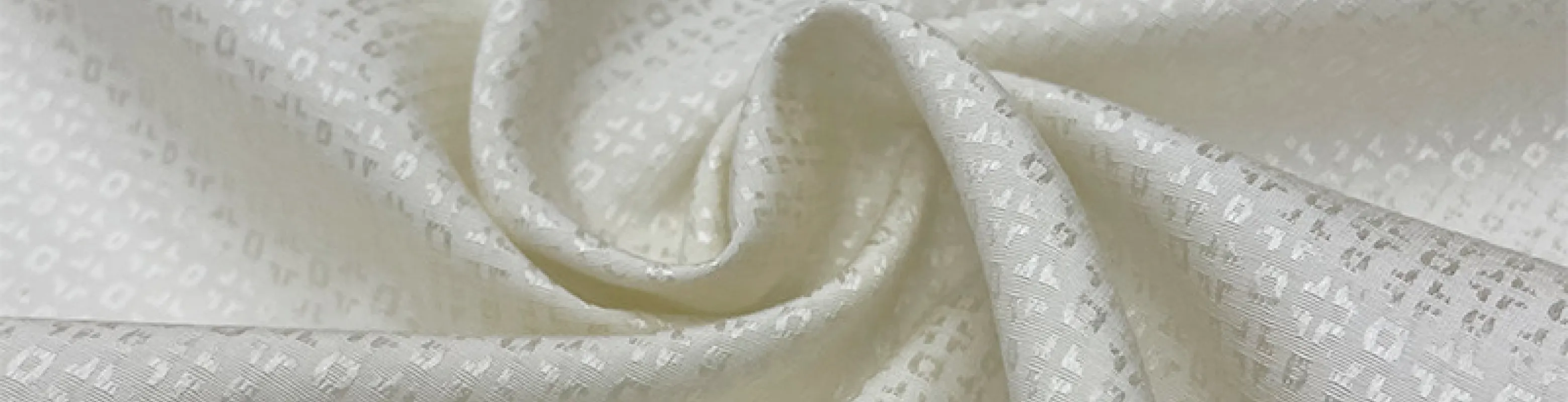
SPECIFICATIONS
| Type | Blend Ratio | Weight Range | Width | Character | Common Uses |
|---|---|---|---|---|---|
| Silk Cotton Voile | 30–50% Silk / 50–70% Cotton | 60–90 g/m² | 114 / 140 cm | Sheer, breathable, soft | Summer dresses, blouses, scarves |
| Silk Cotton Poplin | 30–50% Silk / 50–70% Cotton | 90–130 g/m² | 114 / 140 cm | Smooth, crisp, structured | Shirts, structured dresses |
| Silk Cotton Satin | 40–60% Silk / 40–60% Cotton | 100–150 g/m² | 114 / 140 cm | Soft sheen, heavier body | Dresses, home textiles |
| Silk Cotton Plain | 30–70% Silk / 30–70% Cotton | 80–120 g/m² | 114 / 140 cm | Versatile, easy to sew | General garments, linings |
Silk Cotton Fabric by Type
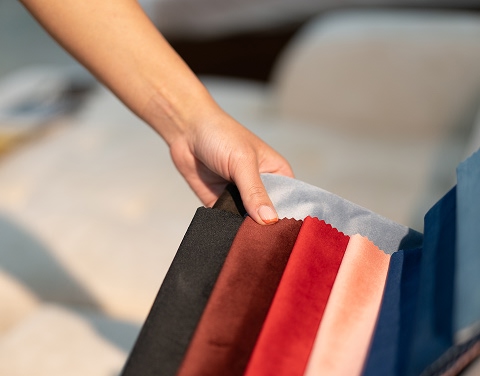
Silk Cotton Color Options
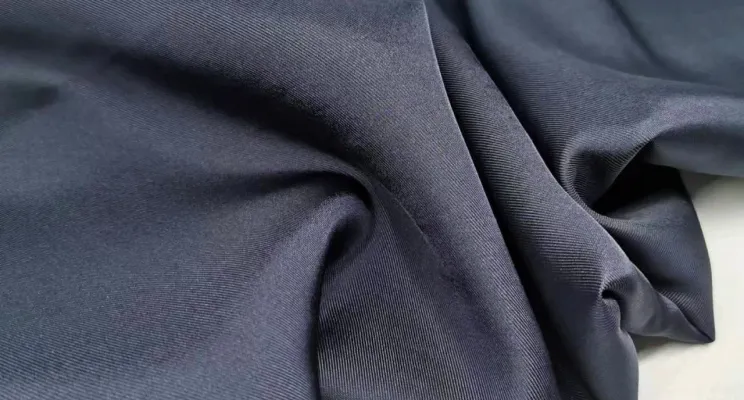
Black Silk Cotton
Pink Silk Cotton
Blue Silk Cotton
Green Silk Cotton
Red Silk Cotton
Natural Silk Cotton
Custom Pantone Dyed Silk Cotton
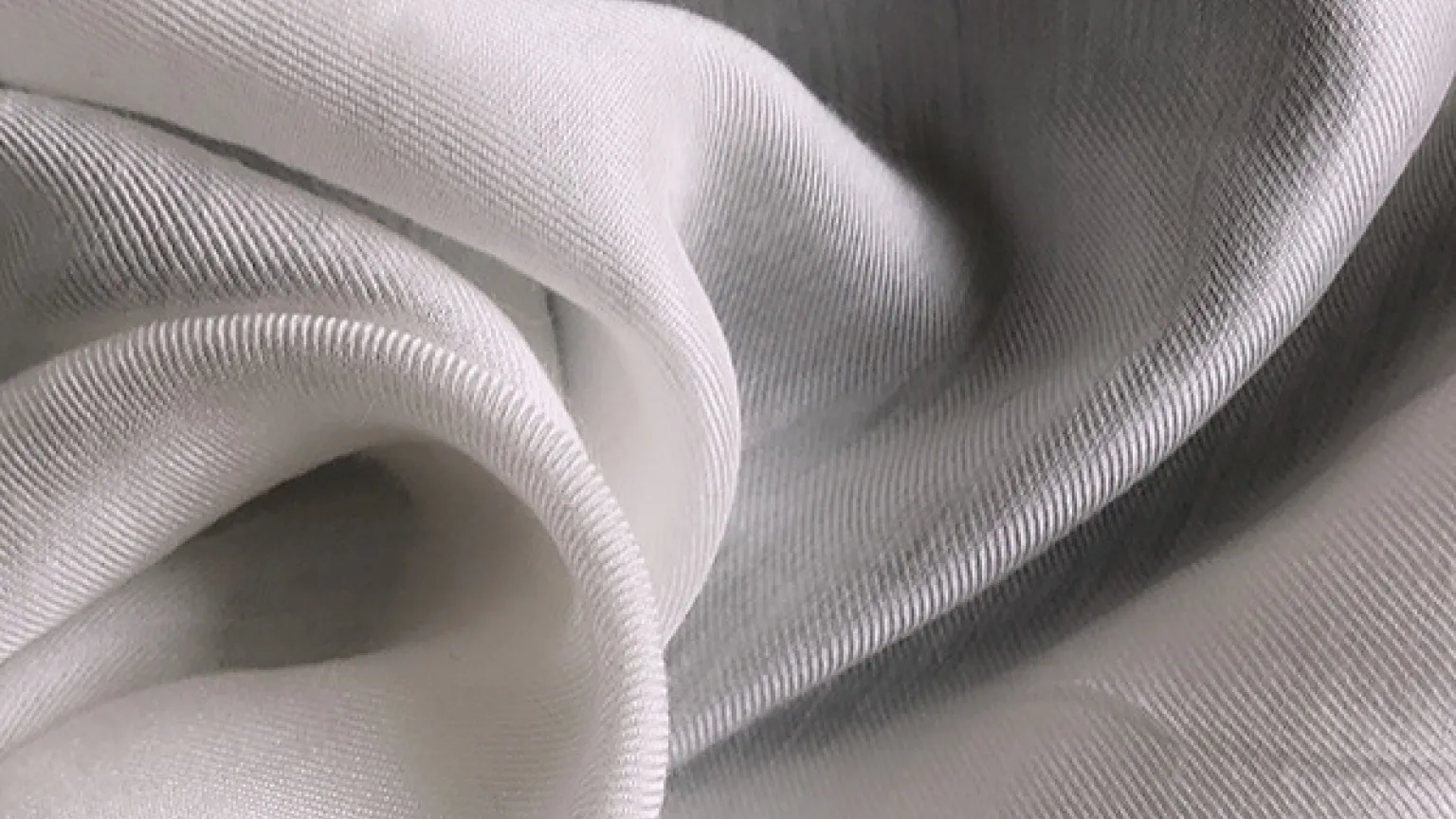
Silk Quality at a Lower Price Point
Silk cotton blends cost less per meter than pure silk because cotton fiber is more affordable. You still get visible silk characteristics — sheen, drape, smooth hand feel — but at a price point that works for larger production runs and price-sensitive product lines. The higher the cotton ratio, the lower the cost.
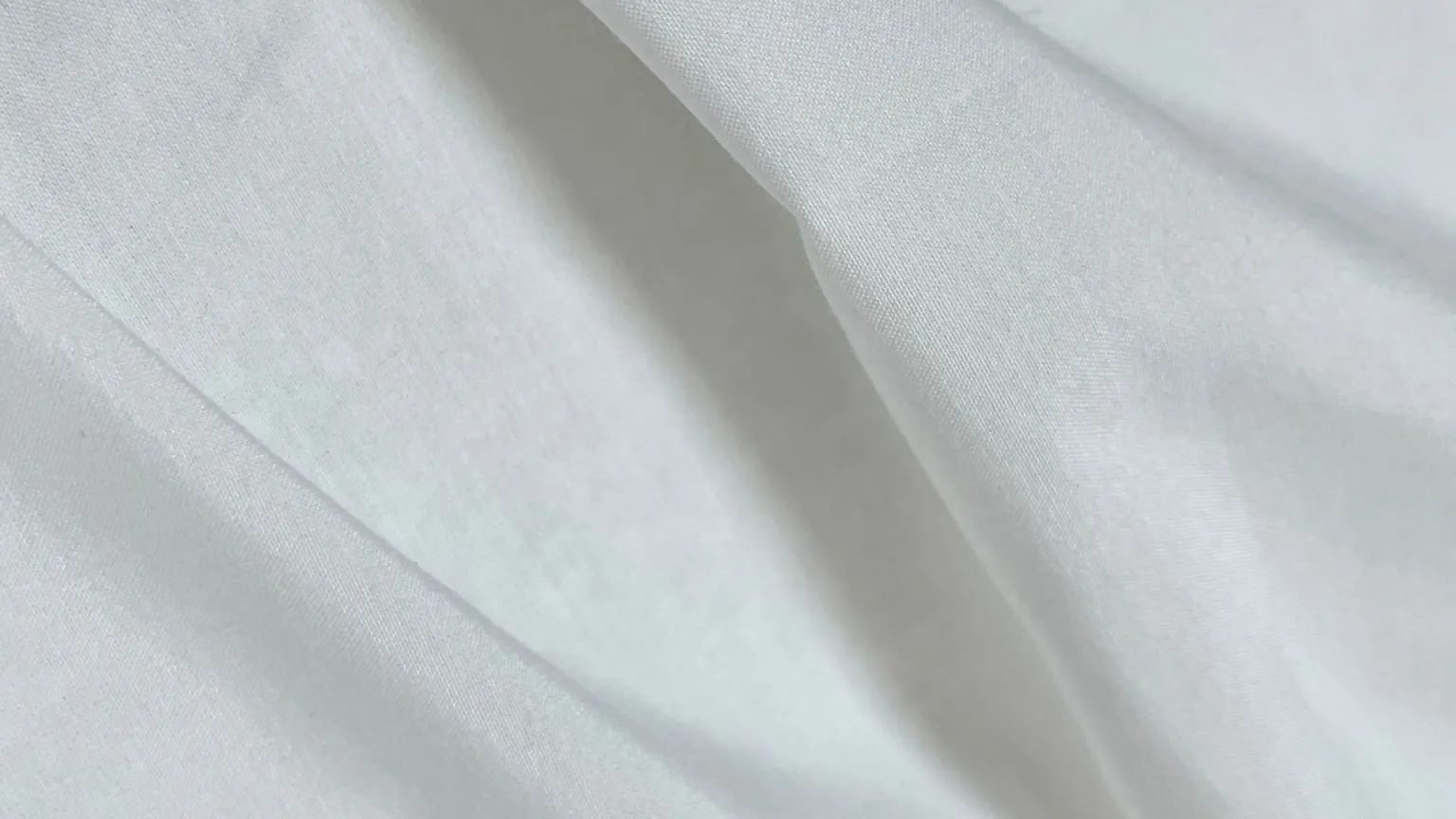
Better for Summer — Breathable and Easy-Care
Cotton adds breathability and moisture absorption that pure silk alone doesn't match. Silk cotton fabric is cooler to wear in warm weather and more forgiving in care — it handles machine washing better than 100% silk. A practical choice for summer collections and everyday garments.
Custom Blend Ratios
We produce silk cotton in custom ratios from 30/70 to 70/30 silk-to-cotton. More silk means more sheen and drape. More cotton means more structure and lower cost. Tell us your target price point and end use — we recommend the optimal ratio for your product.
WHY WORK WITH DREAMSILK
We manufacture custom silk products and fabrics for brands in 50+ countries. From fabric selection to finished goods, everything is produced in our own facility - giving you one point of contact, consistent quality, and shorter lead times.
FAQ
Silk cotton fabric is a blend of mulberry silk and cotton fibers woven together. It combines silk's sheen and softness with cotton's breathability and structure. Available in various blend ratios and weave types.
Standard ratios: 30/70, 50/50, and 70/30 (silk/cotton). Custom ratios available on minimum order. Higher silk content means more sheen; higher cotton content means more structure and lower cost.
Yes. Cotton fiber is significantly cheaper than silk. A 50/50 silk cotton blend will cost considerably less per meter than 100% silk in the same weave and weight.
Silk cotton handles washing better than pure silk. Machine wash on gentle cycle in cold water with a mesh bag. The cotton content adds durability. Tumble dry on low is possible but air drying is recommended.
Stocked blends: 50 meters. Custom blend ratios: 200m minimum. Custom dyeing: 100–200m per color. Printing: 50m per design.
Yes. Silk cotton takes print well. The cotton absorbs ink deeply while the silk reflects light, creating a rich, layered print effect. Digital and screen printing both available.
Silk Cotton Fabric — Blend Benefits and Applications
Why Blend Silk with Cotton?
Pure silk is luxurious but expensive, delicate, and high-maintenance. Cotton is affordable and durable but lacks silk's sheen and drape. Blending the two creates a fabric that borrows the best properties of each fiber: silk's visual luxury with cotton's practical performance.
Silk Cotton for Seasonal Products
- Summer: Silk cotton voile is lightweight and breathable — one of the best blended fabrics for hot-weather garments.
- Year-round: Silk cotton poplin and plain weave work for shirts, dresses, and casual separates across all seasons.
- Winter layering: Heavier silk cotton satin adds warmth while maintaining a silk-quality surface.
Care
- Machine wash gentle cycle, cold water, mesh bag recommended.
- Air dry or tumble dry on low.
- Iron on medium heat. Cotton content allows slightly higher heat than pure silk.
- Less delicate than pure silk — a practical choice for products marketed as "easy care" or "washable silk."