
Silk Velvet Fabric Wholesale — Manufacturer & Supplier
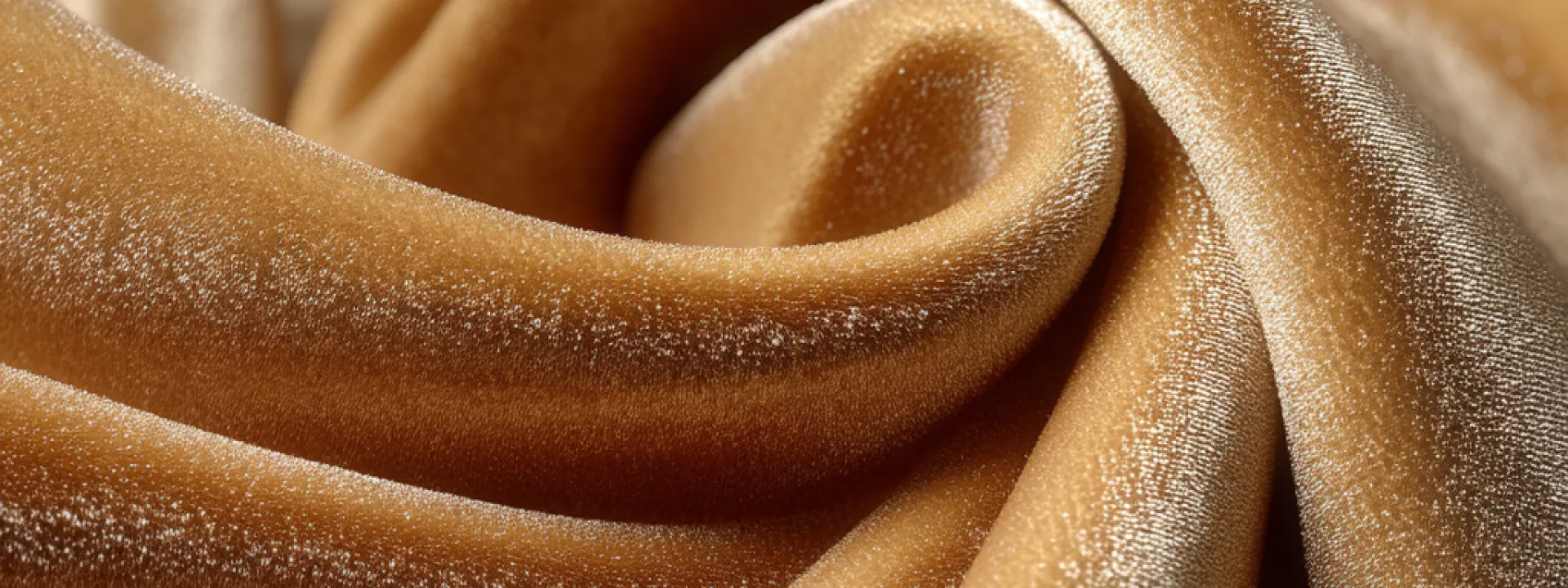
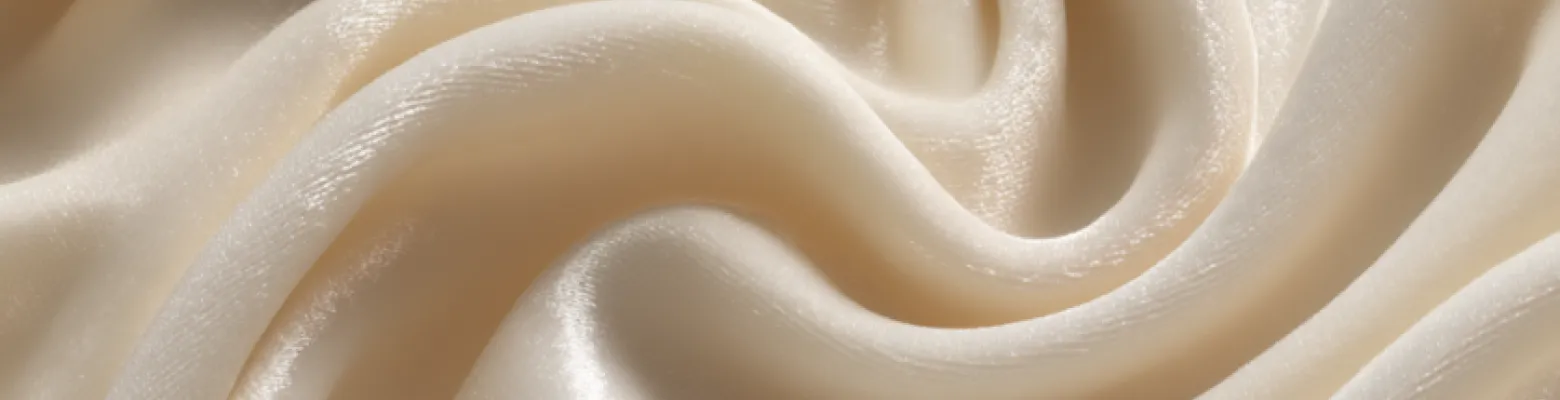
DreamSilk manufactures silk velvet fabric in both pure silk and silk-rayon blend constructions. Our standard silk velvet uses a silk georgette base (18% silk) with viscose pile (82% viscose), producing the plush, lustrous surface that defines this fabric. We also supply pure silk velvet for clients who need 100% silk content.
Available undyed, plain dyed, printed, and in burnout (devore) finishes. Sold by the yard, metre, or roll — with wholesale pricing, low MOQ, and free fabric samples.
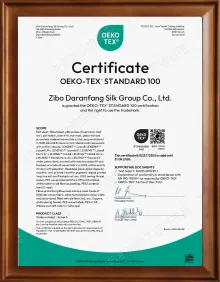
We work with fashion brands, interior designers, costume makers, and textile traders in 50+ countries. Silk velvet fabric price depends on composition, weight, and finish — contact us for a quote based on your specification. All our silk velvet is OEKO-TEX® STANDARD 100 certified.
OEM and ODM supported. Send us a Pantone code, a design file, or a product concept — we handle dyeing, printing, burnout processing, and finishing in our own facility.
SPECIFICATIONS
| Type | Composition | GSM (approx.) | Width | Pile | Common Applications |
|---|---|---|---|---|---|
| Silk Rayon Velvet | 18% Silk / 82% Viscose | 180–200 | 114 / 140 cm | Viscose pile on silk georgette base | Apparel, dresses, scarves, upholstery |
| Pure Silk Velvet | 100% Mulberry Silk | 180–220 | 114 cm | Silk pile on silk base | Luxury garments, high-end upholstery |
| Burnout Silk Velvet | 18% Silk / 82% Viscose | 120–160 | 114 / 140 cm | Partial pile (devore process) | Scarves, evening wear, overlays |
| Embroidered Silk Velvet | 18% Silk / 82% Viscose | 200–280 | 114 / 140 cm | Full pile + embroidery | Formal wear, bridal, home décor |
| Crushed Silk Velvet | 18% Silk / 82% Viscose | 180–200 | 114 / 140 cm | Pressure-textured pile | Fashion, accessories, cushions |
| Stretch Silk Velvet | Silk / Viscose / Spandex | 200–240 | 140 cm | Viscose pile with stretch | Fitted garments, performance wear |
Silk Velvet Fabric by Type
Color Options
White Silk Velvet
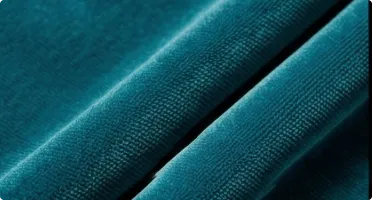
Teal Silk Velvet
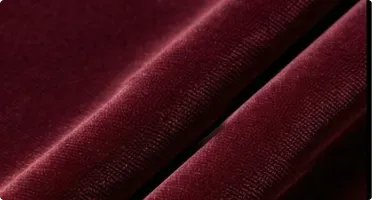
Burgundy / Wine Silk Velvet
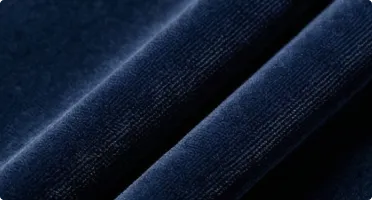
Navy Blue Silk Velvet
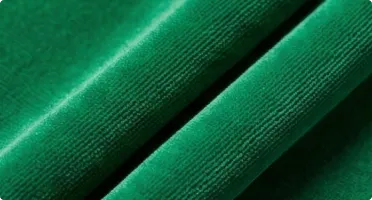
Emerald Green Silk Velvet
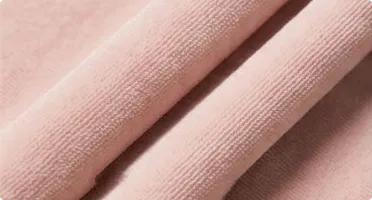
Pink / Blush Silk Velvet
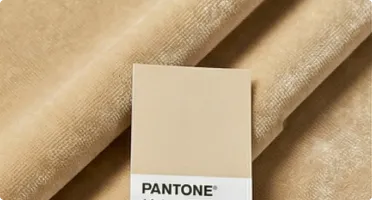
Custom Pantone Dyed Silk Velvet
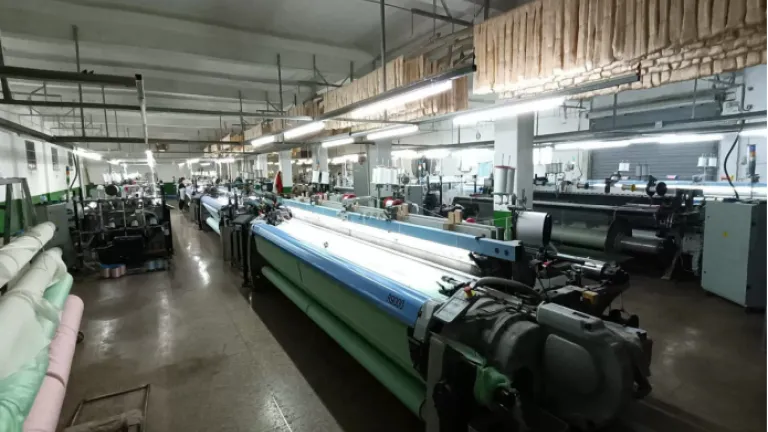
Burnout, Embroidered, Crushed — All Made In-House
Most silk velvet suppliers only offer plain dyed fabric. We produce all major velvet finishes under one roof: burnout (devore), embroidery, crushed, printed, and plain dyed. This means you can source multiple velvet types from a single manufacturer without managing separate suppliers for each finish. It also makes it easier to keep color and quality consistent across your product range.
For a complete breakdown of each type, see our guide to Types of Silk Velvet Fabric.
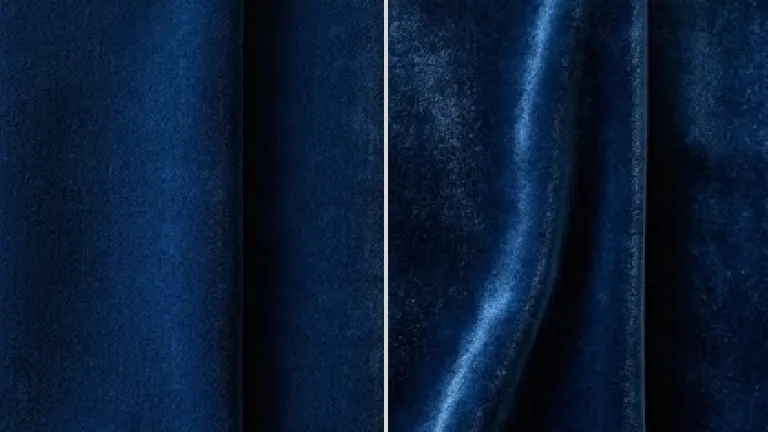
Both Silk-Rayon Blend and Pure Silk Available
Standard silk velvet in the market is typically an 18/82 silk-viscose blend — silk georgette base with viscose pile. This is the industry standard for most apparel and upholstery applications. We also produce 100% pure silk velvet for clients who need full silk content, such as luxury brands or projects requiring natural fiber certification. Both options come in the same width and color range. If you're not sure which composition fits your product positioning, we can send samples of both for comparison.
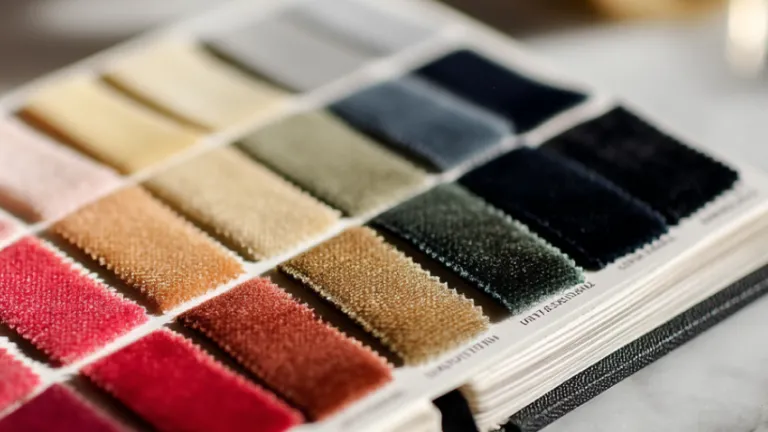
Free Samples — Feel It Before You Buy
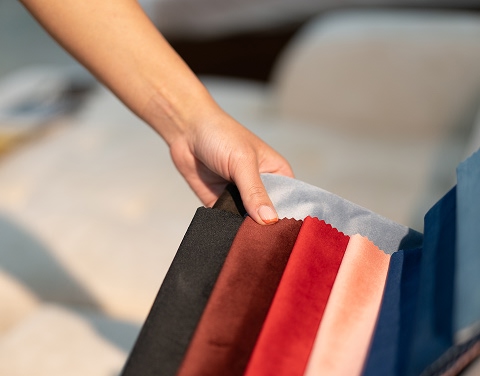
Velvet is a fabric you need to touch. Photos don't fully convey pile depth, softness, or how light plays across the surface. We offer free fabric sample packs with swatches of different types and colors. You pay only shipping. For custom colors, we provide lab dip samples. For burnout velvet, we can send pattern samples showing the devore effect on actual fabric. No commitment until you've seen and felt the real thing.
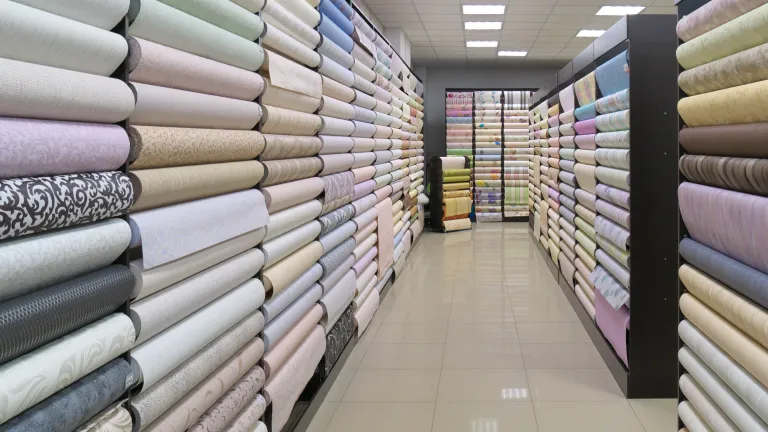
Silk Velvet Fabric Price — Factory Direct
Silk velvet fabric price varies by composition (silk-rayon vs pure silk), weight (180–250 GSM), and finish (plain dyed vs burnout vs embroidered). As a direct manufacturer, we offer factory pricing without intermediary markups. Wholesale tiers start at 100+ meters with additional discounts at 300+ and 500+ meters. Contact us with your specification for an exact quote.
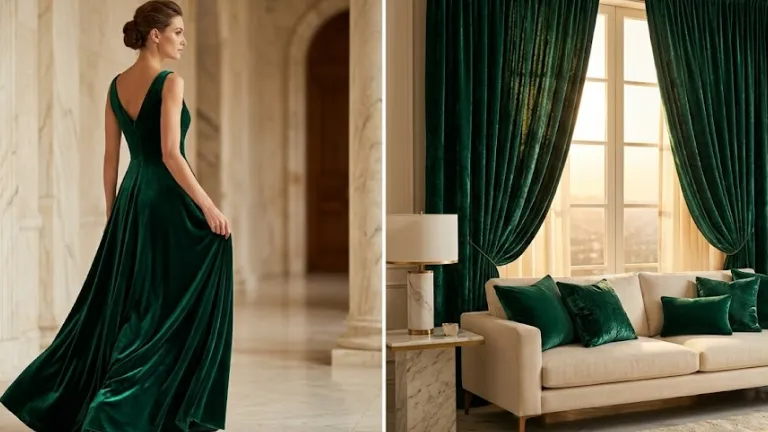
Upholstery and Fashion — Both Covered
Silk velvet serves two distinct markets: fashion and interiors. For fashion — dresses, evening wear, jackets, scarves — we supply 180 GSM fabric with beautiful drape. For upholstery and home décor — curtains, cushions, headboards — we offer heavier 220–250 GSM velvet with better abrasion resistance. Tell us your end use and we'll recommend the right weight and construction. See Silk Velvet Fabric Uses & Applications for detailed guidance by product type.
WHY WORK WITH DREAMSILK
We manufacture custom silk products and fabrics for brands in 50+ countries. From fabric selection to finished goods, everything is produced in our own facility - giving you one point of contact, consistent quality, and shorter lead times.
FAQ
For stocked plain-color silk velvet, MOQ starts at 50 meters. Custom dyeing requires 100–200 meters per color. Burnout velvet orders start at 100 meters per design. Embroidered velvet has a higher minimum depending on the pattern complexity. Contact us for exact MOQ based on your specification.
Yes. We provide free fabric sample packs with swatches of plain dyed, burnout, and different weight options. You pay only shipping. For custom Pantone colors, we arrange lab dip samples for your approval before bulk production. For burnout patterns, we can send actual devore samples showing the finished effect.
Our standard silk velvet is 18% mulberry silk (georgette base) and 82% viscose (pile). The base fabric is 100% silk georgette, and the pile surface is 100% viscose. This is the industry standard composition used by most silk velvet manufacturers. We also supply 100% pure silk velvet (silk base + silk pile) for luxury applications that require full natural fiber content.
Yes. We produce burnout silk velvet in-house. The devore process chemically dissolves selected areas of the viscose pile, leaving behind semi-transparent silk chiffon sections that contrast with the remaining velvet. We can work from your pattern design or propose options from our existing library. See our Burnout Silk Velvet Fabric Guide for details on the process, pattern options, and ordering.
Stocked plain-color silk velvet ships within 3–5 business days. Custom-dyed orders take 15–20 days. Burnout velvet orders take 18–25 days depending on pattern complexity. Embroidered silk velvet has the longest lead time at 20–30 days. Rush options available — contact us to confirm.
Yes. Silk velvet is widely used for upholstery, curtains, cushions, and headboards. For upholstery applications, we recommend our heavier 220–250 GSM options for better durability and abrasion resistance. The plush pile creates a rich visual texture that works particularly well for curtains and decorative cushions. For high-traffic furniture, consider adding a stain-resistant finish — we offer this as an optional treatment.
Dry cleaning is recommended for most silk velvet. If hand washing is necessary, use cold water (below 30°C) with silk-specific detergent and avoid wringing or twisting. Never tumble dry. Lay flat or hang to dry in shade. Do not iron directly on the pile — use a steamer or iron on the reverse side with a pressing cloth. Store hanging, not folded, to prevent pile crushing. For detailed instructions, see How to Care for Silk Velvet Fabric (coming soon).
We stock silk velvet in 30+ standard colors, including black, white, teal, burgundy, navy, emerald, pink, red, purple, and champagne gold. Custom Pantone dyeing is available for any color not in our standard range, with a MOQ of 100 meters per color. For guidance on choosing colors for your project, see our Silk Velvet Fabric Color Guide.
Silk Velvet Fabric — A Manufacturer's Guide to Composition, Types, and Selection
What Is Silk Velvet Fabric?
Silk velvet is a pile fabric with a dense, short-cut surface that produces a soft, plush texture and a distinctive luster. The fabric is made using a double-cloth weaving technique: two layers of fabric are woven simultaneously with pile threads connecting them, then the layers are split apart and the connecting threads are cut to create the velvet pile on each piece.
Historically, velvet was made entirely from silk — and it was one of the most expensive fabrics in the world. Today, most commercial silk velvet uses a blended construction: a silk georgette or silk chiffon base with a viscose or rayon pile. The typical composition is 18% silk (base) and 82% viscose (pile). This blend keeps the luxurious appearance and drape of silk while making the fabric more affordable and the pile more consistent.
Pure silk velvet — with both the base and pile made from silk — is still produced but at a higher price point. It's used mainly for luxury garments and high-end upholstery where 100% natural fiber content is required. For a deeper dive into the fabric's history, structure, and fiber properties, see What Is Silk Velvet Fabric.
Silk Velvet vs Silk-Rayon Velvet — What's the Difference?
This is one of the most common questions from B2B buyers. Here's a clear comparison:
| Pure Silk Velvet | Silk-Rayon (Silk-Viscose) Velvet | |
|---|---|---|
| Composition | 100% mulberry silk | 18% silk base / 82% viscose pile |
| Pile Material | Silk | Viscose (rayon) |
| Sheen | Subtle, natural luster | Rich, deeper sheen |
| Softness | Very soft, fine pile | Very soft, plush pile |
| Weight | 180–220 GSM | 180–200 GSM |
| Drape | Fluid, lighter body | Fluid, slightly more body |
| Color Saturation | Good — silk takes dye well | Excellent — viscose absorbs dye deeply |
| Burnout (Devore) | Not possible (single fiber) | Yes — viscose dissolves, silk remains |
| Price | Higher | Lower |
| Best For | Luxury garments, natural fiber certification | Most apparel, upholstery, burnout, general use |
For most B2B applications, silk-rayon velvet is the standard choice. It offers the visual and tactile qualities buyers expect from "silk velvet" at a more practical price point. Pure silk velvet is the right choice when your product requires 100% natural fiber labeling or when the end market specifically demands full silk content.
Understanding Burnout (Devore) Silk Velvet
Burnout silk velvet is one of the most sought-after velvet finishes. The devore process works by applying a chemical paste (typically sodium hydrogen sulfate) to selected areas of the fabric. This dissolves the viscose pile in those areas while leaving the silk base intact. The result is a fabric with alternating sections of plush velvet and semi-transparent silk chiffon — creating intricate patterns with real texture and visual depth.
The burnout technique only works on blended silk velvet (silk + viscose) because it relies on the different chemical properties of the two fibers. Pure silk velvet cannot be processed this way since both the base and pile are the same fiber.
Burnout silk velvet is popular for scarves, shawls, evening wear, and overlay garments. The semi-transparent sections create a layered, lace-like effect that is difficult to achieve with any other fabric technique. We produce burnout velvet in-house and can work from your custom pattern or offer designs from our existing library. For process details and ordering guidance, see our Burnout Silk Velvet Fabric Guide.
Key Applications
Silk velvet fabric serves two major markets:
Fashion and apparel: Evening gowns, cocktail dresses, jackets, blazers, scarves, shawls, and accessories. The fabric's drape and luster make it a staple in formal and occasion wear. Burnout velvet is especially popular for scarves and evening overlays. Crushed velvet adds texture to fashion pieces. Embroidered velvet works for bridal and formal collections.
Upholstery and home décor: Curtains, cushion covers, throws, headboards, and decorative panels. The pile's visual richness adds depth to interior settings. Heavier weights (220–250 GSM) are recommended for furniture and high-traffic applications. Silk velvet curtains provide both visual impact and practical light blocking.
For detailed momme and weight recommendations by product type, see Silk Velvet Fabric Uses & Applications.
Color and Silk Velvet
Velvet is one of the most color-responsive fabrics. The pile structure absorbs and reflects light in a way that makes colors appear deeper and more dimensional than on flat fabrics. Dark jewel tones — burgundy, navy, emerald, teal — look particularly rich in velvet. Even neutrals like black and white gain visual complexity on a velvet surface.
The viscose pile in silk-rayon velvet takes dye exceptionally well, producing saturated, even color across the fabric. We stock 30+ standard colors and support custom Pantone matching for orders of 100+ meters. Different colors require different numbers of dye bath cycles, which can affect lead time — deep blacks and dark reds typically need more processing than lighter tones.
For a visual overview of popular colorways and guidance on selecting colors for different product types, see our Silk Velvet Fabric Color Guide.
Sewing and Handling Tips
Silk velvet is one of the more challenging fabrics to sew. The pile can shift, mark, and crush during cutting and stitching. A few practical notes from our production floor:
- Always cut with the pile running in the same direction on all pattern pieces. Pile direction affects how the fabric reflects light — mismatched direction will show as a visible color difference between panels.
- Use a walking foot or roller foot to prevent the top layer from creeping during stitching.
- Pin only within seam allowances — pin holes can permanently mark the pile.
- Do not press directly on the pile. Use a needle board (velvet board) or steam from the reverse side.
- For burnout velvet, use a stabilizer beneath sheer sections when sewing to prevent the fabric from catching in the feed dogs.
For more production-level guidance, see How to Sew Silk Velvet Fabric.