



Silk Wool Fabric — Custom Blend, Wholesale Manufacturing
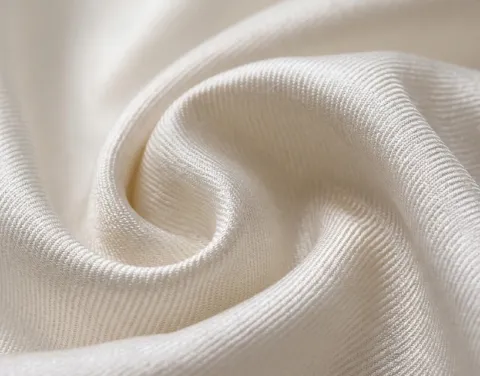
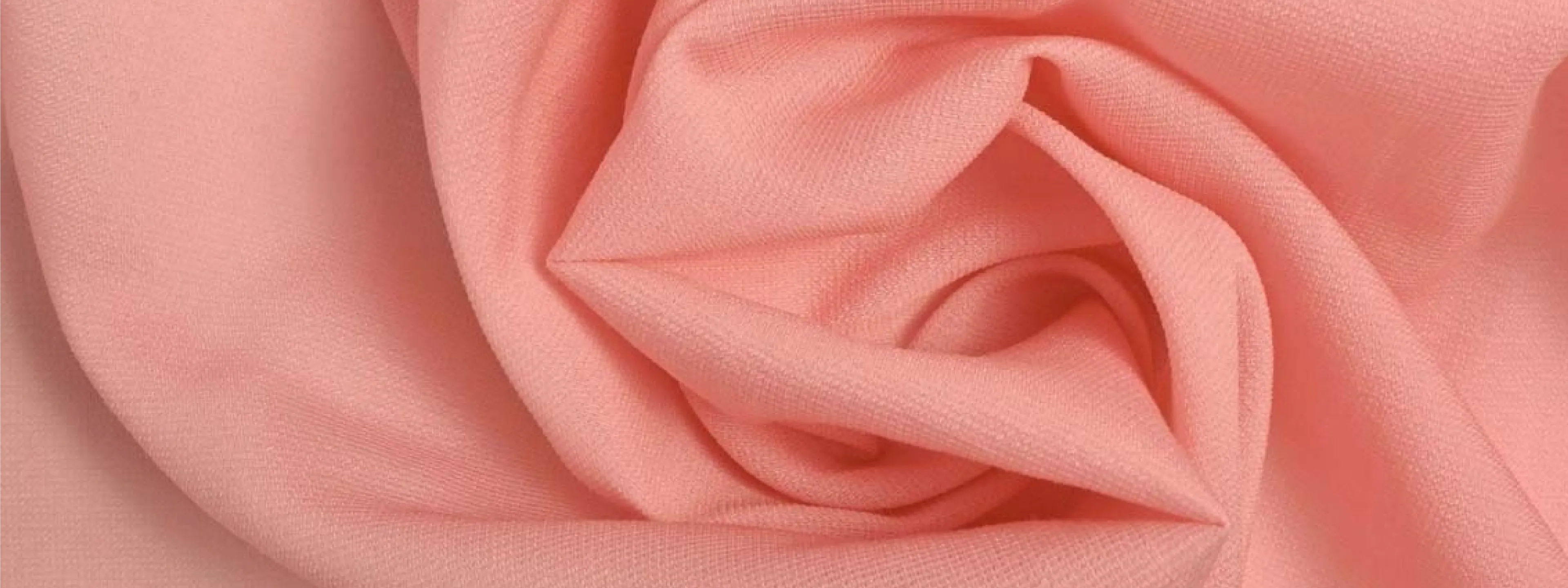
DreamSilk manufactures silk wool blend fabric combining mulberry silk with fine wool fibers (including merino). Wool adds warmth, body, and resilience. Silk adds sheen, drape, and a smoother hand feel. A premium fabric for fall/winter collections.
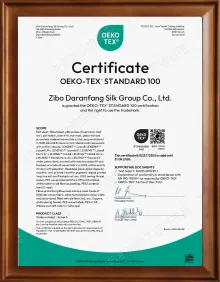
Custom blend ratios. Wholesale pricing. OEKO-TEX® certified. Free samples.
SPECIFICATIONS
| Type | Blend Ratio | Weight | Width | Character | Common Uses |
|---|---|---|---|---|---|
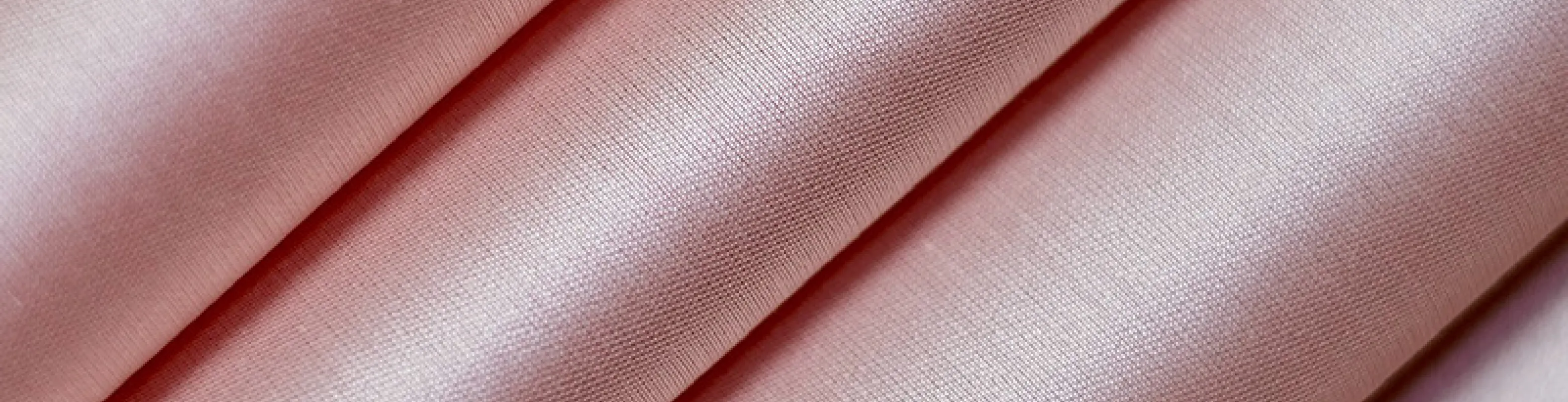
| Silk Wool Blend | 30–50% Silk / 50–70% Wool | 150–250 g/m² | 114 / 140 cm | Warm, structured, subtle sheen | Suits, dresses, coats, scarves |
| Merino Silk | 30–50% Silk / 50–70% Merino | 120–200 g/m² | 114 / 140 cm | Softer, finer hand feel | Luxury suiting, fine knitwear |
| Silk Wool Jersey | 40–60% Silk / 40–60% Wool | 150–220 g/m² | 140 / 160 cm | Stretch, comfortable, warm | Knit dresses, tops, layering |
Silk Wool Fabric by Type
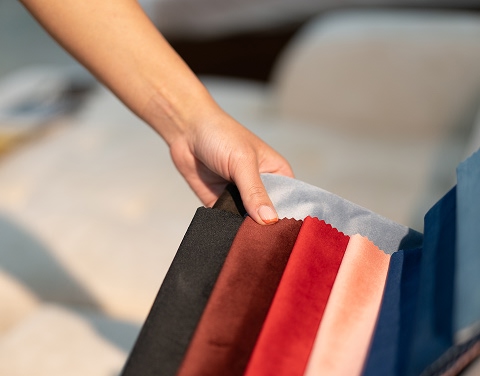
Silk Wool Color Options
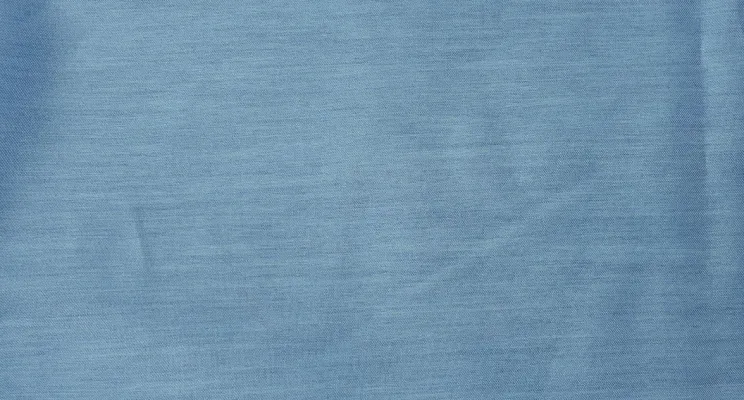
Navy Silk Wool

Charcoal Silk Wool

Camel Silk Wool

Burgundy Silk Wool

Ivory Silk Wool

Forest Green Silk Wool
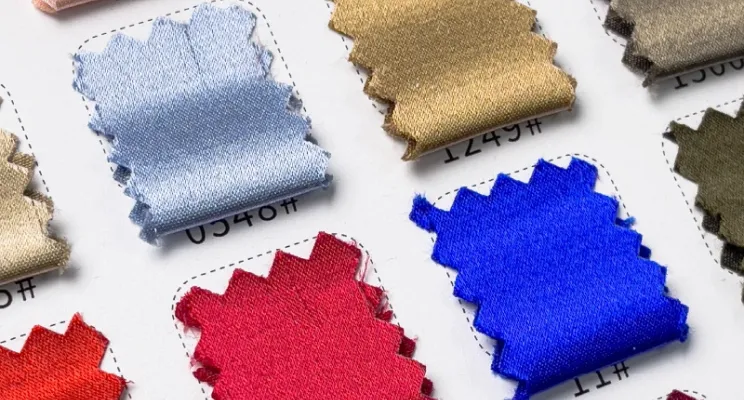
Custom Pantone Dyed
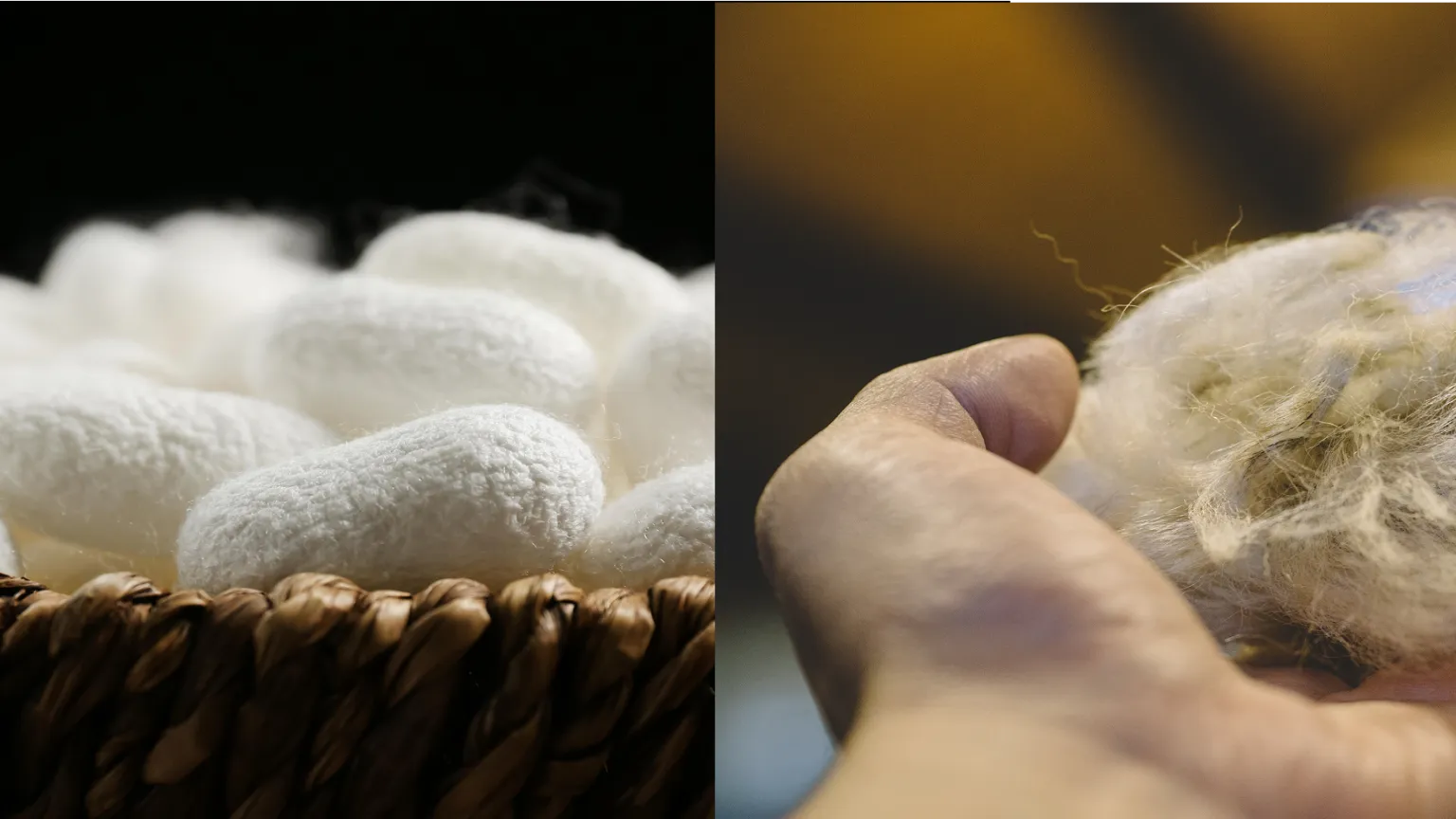
Fall/Winter Core Fabric
Silk wool is built for cooler seasons. Wool insulates. Silk adds a refined surface and reduces the heavy, scratchy feel that pure wool can have. The combination lets you create winter garments that feel luxurious without bulk — suits that drape well, scarves that are warm but not stiff, dresses that hold shape in cold weather.
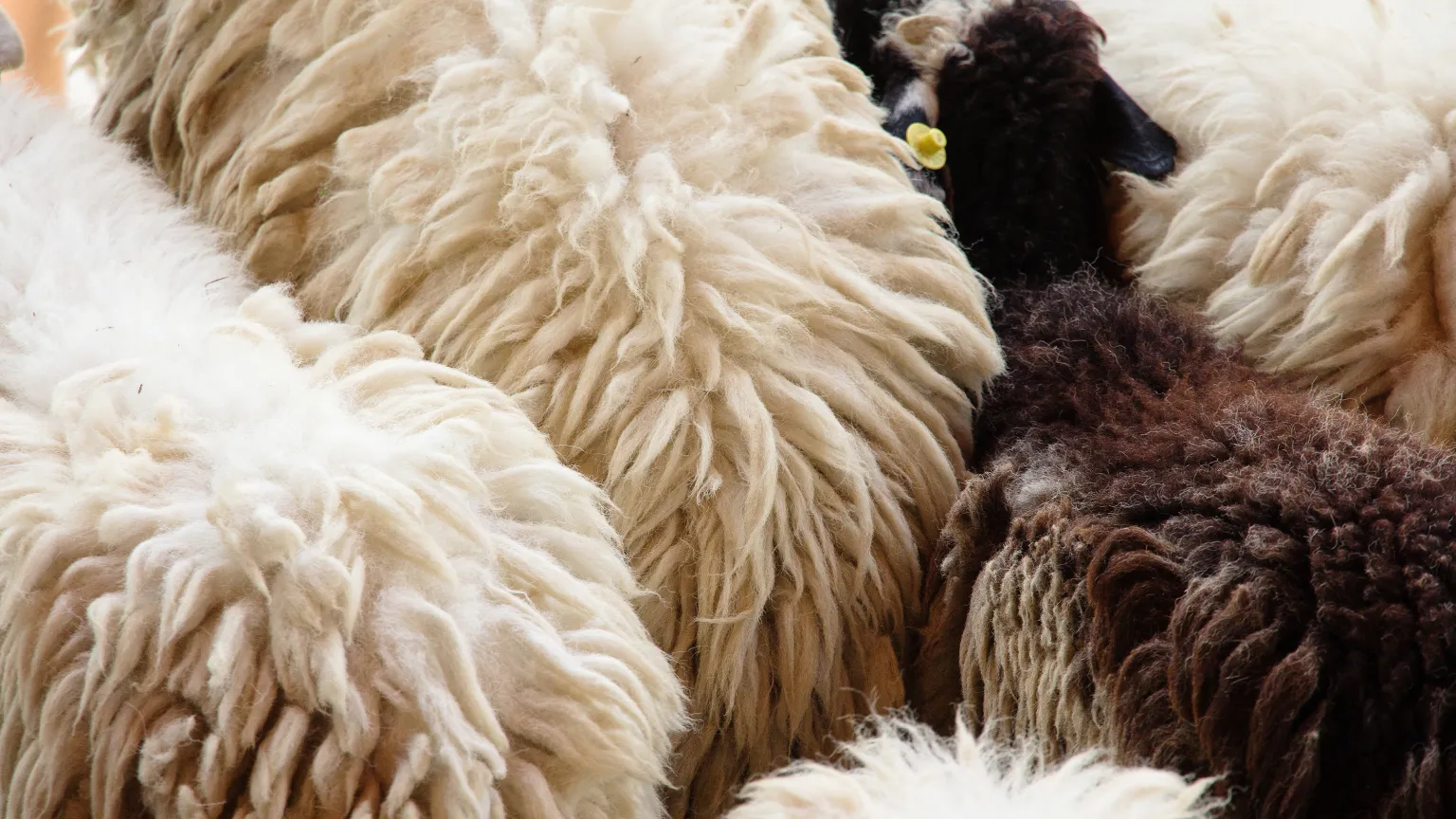
Merino Silk — The Premium Option
Merino wool fibers are finer (typically 15–19 micron) and softer than regular wool. Blended with silk, merino silk fabric has an exceptionally smooth hand feel — closer to cashmere than standard wool. We produce merino silk in both woven and jersey constructions for brands targeting the luxury suiting and fine knitwear market.
Custom Ratios for Warmth vs Weight
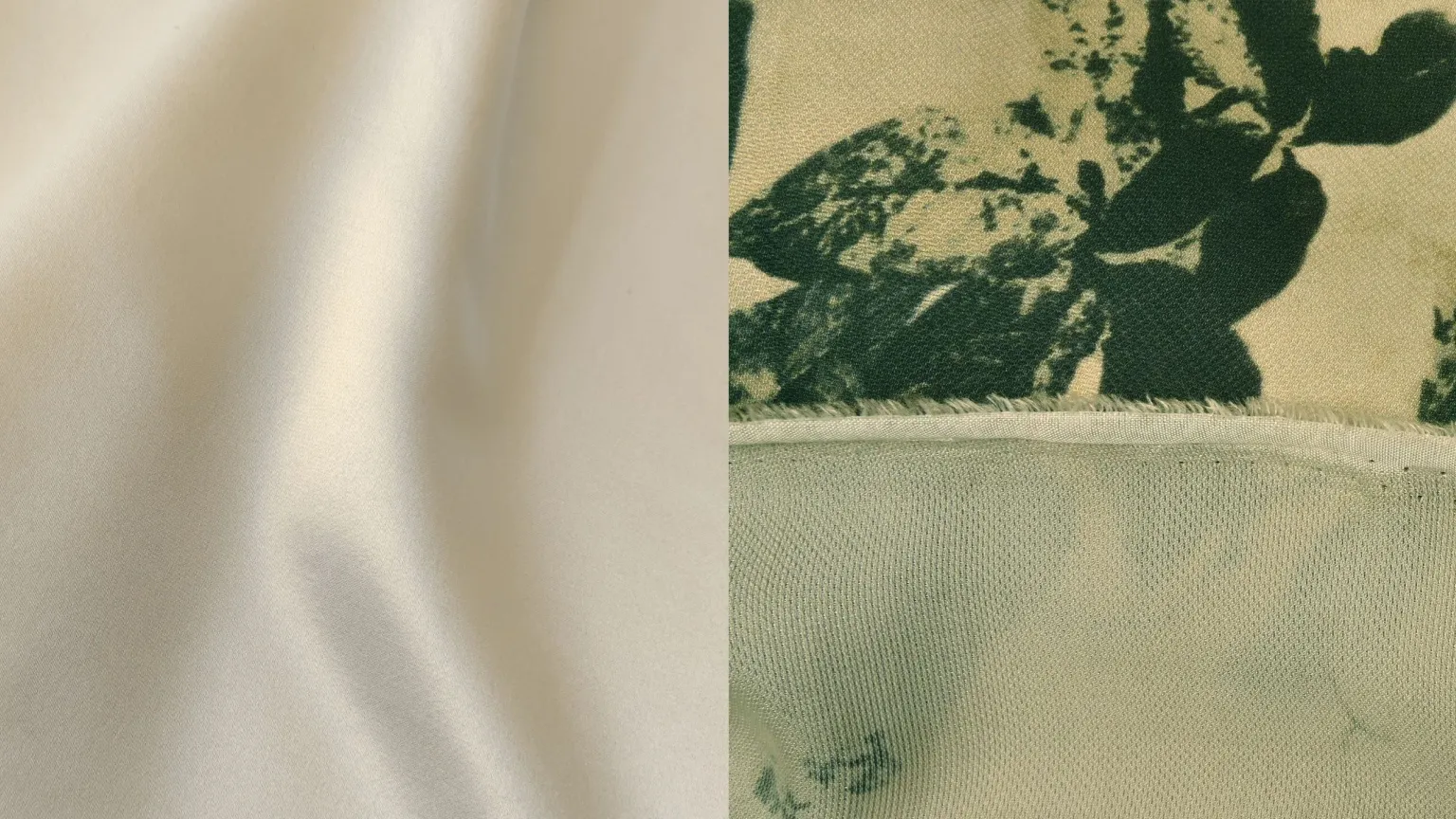
More wool = more warmth and body. More silk = lighter, more drape, smoother finish. We produce silk wool from 30/70 to 70/30. For heavy winter coats, use a wool-dominant blend. For refined suiting that travels well, use a silk-dominant blend. We help you dial in the ratio for your target product.
WHY WORK WITH DREAMSILK
We manufacture custom silk products and fabrics for brands in 50+ countries. From fabric selection to finished goods, everything is produced in our own facility - giving you one point of contact, consistent quality, and shorter lead times.
FAQ
Silk wool fabric blends mulberry silk with wool fibers. It combines wool's warmth and structure with silk's sheen and smooth hand feel. A premium fabric for fall/winter garments.
Less itchy than pure wool. The silk content creates a smoother surface against the skin. Merino silk blends are the softest option — merino fibers are finer and cause less skin irritation than standard wool.
Merino silk blends merino wool (a fine, soft wool from merino sheep) with silk. Merino fibers are typically 15–19 microns — much finer than regular wool. The result is a luxury fabric that feels smooth and soft, similar to cashmere.
Dry clean recommended for most silk wool. Merino silk can sometimes be hand washed in cold water with wool detergent. Do not tumble dry. Lay flat to dry.
Stocked blends: 50 meters. Custom ratios: 200m minimum. Custom dyeing: 100–200m per color.
Yes. Silk wool is a classic suiting fabric. The wool provides structure and the silk adds drape and sheen. It holds its shape well for tailored garments. Merino silk is particularly popular for luxury suiting.
Silk Wool Fabric — Blend Properties, Seasonal Use, and Care
Why Blend Silk with Wool?
Pure wool is warm but can be heavy, scratchy, and prone to pilling. Pure silk is smooth but lacks insulation. Blending the two creates a fabric that insulates like wool, drapes like silk, and feels softer than either fiber alone. The silk also adds a subtle surface sheen that wool lacks.
Seasonal Applications
- Fall: Lightweight silk wool (120–150 GSM) for transitional garments — blazers, scarves, light dresses.
- Winter: Heavier blends (200–250 GSM) for suits, coats, and structured outerwear.
- Travel: Silk-dominant blends wrinkle less and pack lighter than wool-dominant fabrics.
Care
- Dry clean recommended for structured garments.
- Hand wash cold for knits and lighter blends. Use wool-safe detergent.
- Do not tumble dry. Lay flat to dry to maintain shape.
- Steam rather than iron — direct heat can scorch wool fibers.
- Store with cedar or lavender to prevent moth damage to the wool component.