
How to Tie a Silk Scarf: 15 Elegant Ways to Wear and Style Your Favorite Silk Accessory


A silk scarf is one of the most versatile and timeless fashion accessories you can own. Whether it is a square silk scarf, an oblong silk wrap, or a narrow silk twilly, the ways you can wear it are practically limitless — around your neck, in your hair, on your handbag, as a belt, or even as a top. But for many people, the challenge is not owning a beautiful silk scarf — it is figuring out how to tie it in a way that looks effortless and polished rather than awkward or overdone.
The silk scarf has been a staple of elegant fashion for nearly a century. When the first luxury silk carré debuted in Paris in 1937, it quickly became a favorite of European royalty, Hollywood actresses, and fashion editors. Style icons from Audrey Hepburn to Grace Kelly to Jackie Kennedy wore silk scarves as headscarves, neck wraps, and even improvised slings — demonstrating that this simple square of mulberry silk could adapt to virtually any situation with effortless sophistication. According to The Metropolitan Museum of Art's styling guide, there is no more quintessential accessory than a well-styled scarf, and scarves can be draped, wrapped, and knotted in endless combinations.
Today, the silk scarf is experiencing a major fashion revival. From runway shows to street style, from fashion influencers to minimalist capsule wardrobes, the silk scarf has proven once again that true style never goes out of fashion — it just evolves. And the best part? You do not need to be a fashion expert to wear one well. You just need to learn a few foundational folding techniques and a handful of reliable tying methods.
In this comprehensive guide, we will walk you through 15 different ways to tie a silk scarf — organized by where and how you wear it. We will cover neck styles, hair styles, bag accessories, and creative alternatives. Each method includes step-by-step instructions that work for beginners. Whether you own a single silk scarf or a growing collection, this guide will help you get more style mileage out of every piece.
Essential Silk Scarf Folding Techniques Before You Start Tying
Before you can tie a silk scarf in any style, you need to master a few basic folds. These foundational techniques transform a flat square or rectangle of silk fabric into a shape that is ready to wrap, knot, and drape. Almost every silk scarf tying method begins with one of these folds, so it is worth practicing them a few times until they feel natural.
The Bias Fold (Triangle Fold)
This is the most common starting point for tying a silk scarf. Lay your square silk scarf flat on a clean surface. Take one corner and fold it diagonally to the opposite corner, forming a triangle. The bias fold gives you a long folded edge and a pointed end, which creates a beautiful drape when wrapped around the neck or head. This fold works best with square silk scarves in sizes 70cm × 70cm and above.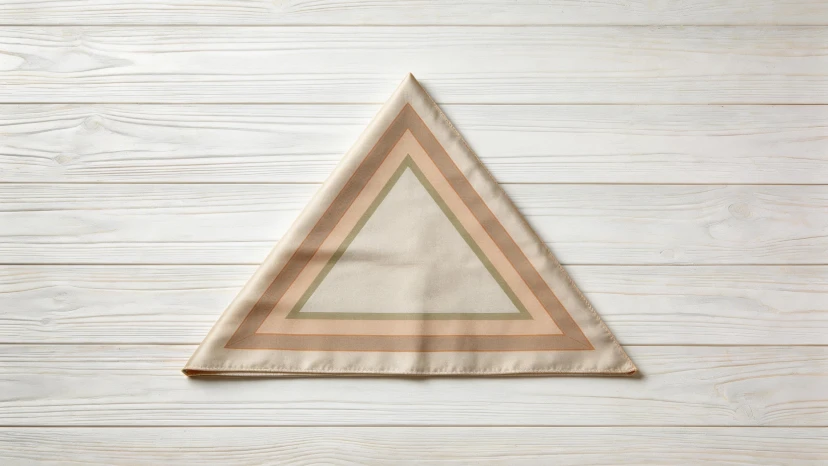
The Band Fold (Strip Fold)
Start with the bias fold to create a triangle. Then, starting from the pointed tip of the triangle, fold the fabric inward in narrow strips (about 5 to 8 centimeters wide) until you have a long, narrow band of silk. This is the foundation for most neck knots, headbands, bow ties, and bag wraps. The band fold keeps the silk scarf compact and structured, making it easier to tie precise, clean knots.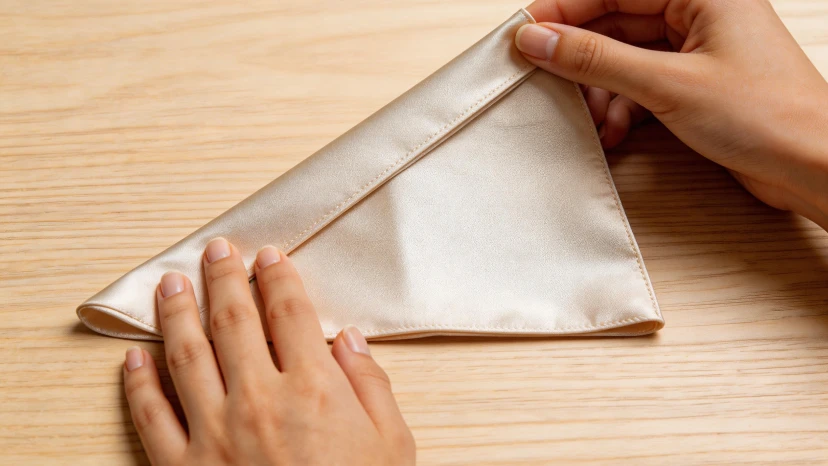
The Rectangle Fold
For oblong or rectangular silk scarves, simply fold the scarf in half lengthwise once or twice until you reach your desired width. This fold is ideal for draping styles, shoulder wraps, and loose infinity loops. It works particularly well with longer silk wraps and silk shawls.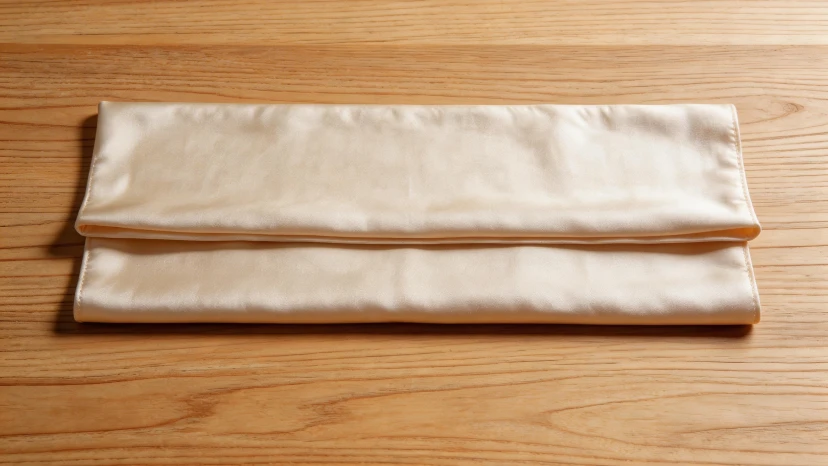
With these three folds in your repertoire, you are ready to explore every tying style below.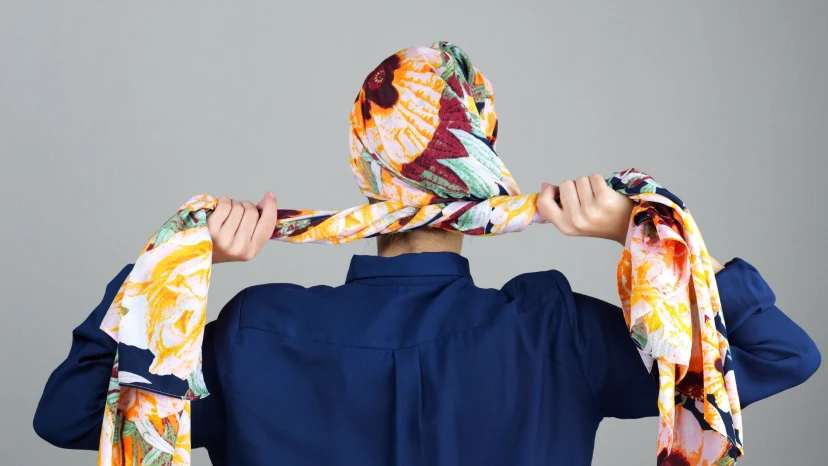
How to Knot a Silk Scarf Around Your Neck: 5 Classic Neckwear Styles
The neck is the most traditional — and arguably the most elegant — place to wear a silk scarf. A well-tied silk neck scarf frames the face, adds color near your complexion, and can transform even the simplest outfit into something polished and intentional. Here are five classic ways to tie a silk scarf around your neck, from effortless casual to refined formal.
Style 1: The French Knot (Parisian Knot)
The French knot is the quintessential European scarf look — relaxed, understated, and endlessly chic. It works with both square and oblong silk scarves.
- Fold your silk scarf into a band using the band fold described above.
- Drape the band around the back of your neck, letting both ends hang down in front of your chest.
- Tie the two ends together in a single loose knot, positioned slightly off-center — just below your collarbone on either the left or right side.
- Adjust the knot so it sits relaxed and slightly loose. Let the tails hang naturally.
This style works beautifully with crew neck tops, V-neck blouses, blazers, and open-collar shirts. The off-center knot adds visual interest without looking fussy. For a more polished variation, tuck the tails inside your top.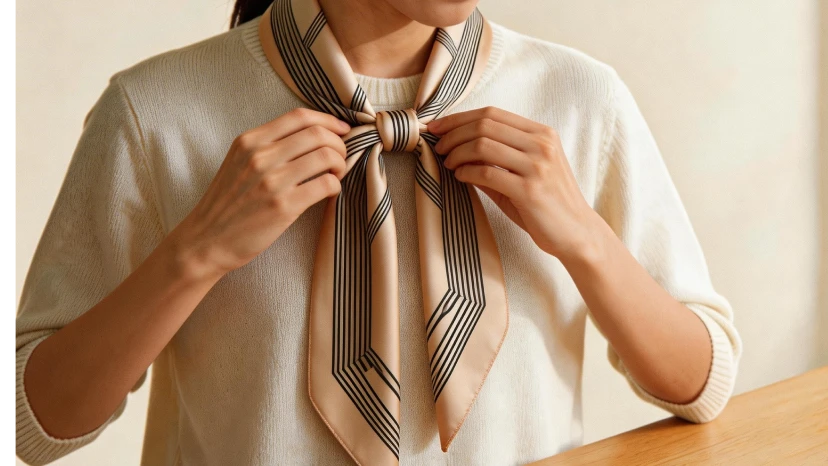
Style 2: The Italian Twist
The Italian twist is a slightly more refined version of the drape — it adds structure without sacrificing ease. This silk scarf style looks particularly sophisticated with tailored jackets and button-down shirts.
- Fold your silk scarf into a narrow band.
- Find the center point of the band and place it under your chin, at the front of your neck.
- Cross the two ends behind your neck and bring them back over your shoulders to the front.
- Tie a single loose knot at the front, then gently adjust the twist so the fabric lies flat and the folds look intentional.
The Italian twist creates a layered, textured look around the neckline that adds depth to monochromatic outfits. It is one of the best silk scarf styles for professional settings where you want to look polished but not overdressed.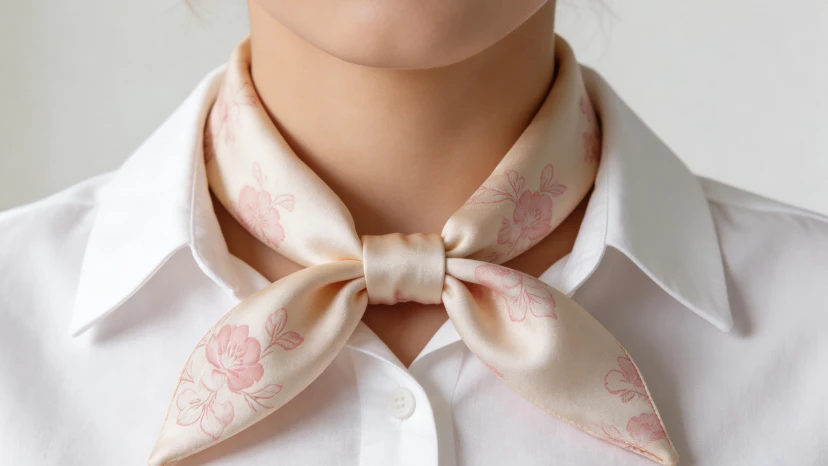
Style 3: The Bandana Drape
The bandana drape is a relaxed, slightly bohemian way to wear a square silk scarf. It showcases the pattern of your silk scarf beautifully because the full triangle is visible on your chest.
- Fold your square silk scarf diagonally into a triangle using the bias fold.
- Position the triangle with the point facing down toward your chest and the flat folded edge behind your neck.
- Take the two ends of the folded edge, wrap them behind your neck, and tie them in a simple knot at the back (or bring them to the front and tie below the triangle point for a different look).
- Adjust the triangle drape so it sits flat and centered on your chest.
This style works best with simple necklines — scoop necks, crew necks, and tank tops. It is ideal for showing off bold prints, floral patterns, and vibrant colors on your silk scarf.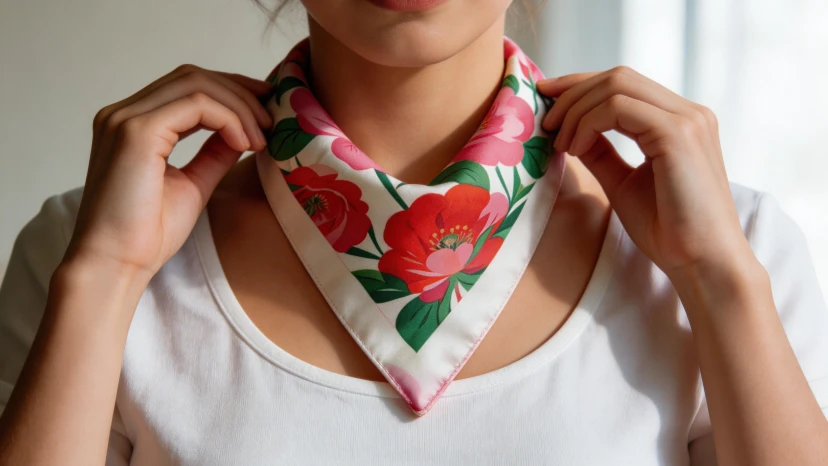
Style 4: The Cravat Tie
The cravat is a more structured silk scarf look that mimics the appearance of a loose necktie. It adds instant polish to blouses, button-down shirts, and blazers — making it a favorite for office wear and business casual settings.
- Fold your silk scarf into a band.
- Drape the band around your neck with both ends hanging in front.
- Adjust so one end hangs slightly longer than the other.
- Cross the longer end over the shorter end, then loop it up through the gap between the scarf and your neck.
- Pull the longer end down gently to form a loose, triangular knot — similar to a necktie knot but softer and more relaxed.
- Adjust the knot position and tighten or loosen to your preference.
The cravat style gives your silk scarf a tailored, intentional appearance. It pairs exceptionally well with structured blazers, tailored coats, and formal workwear.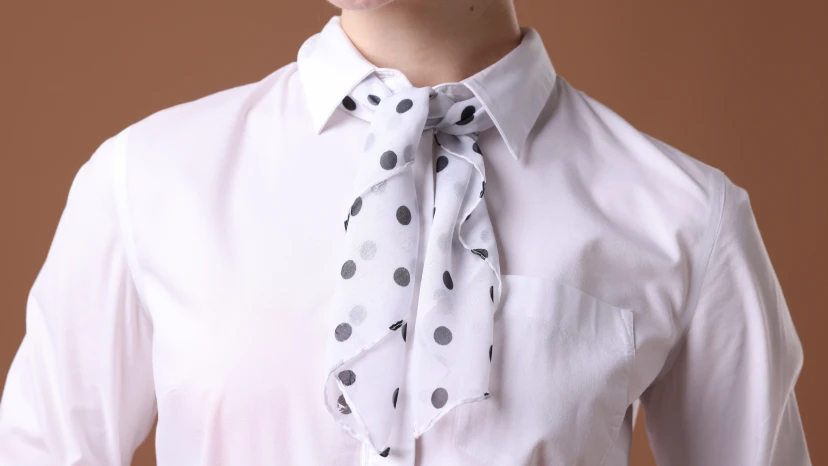
Style 5: The Bow Tie
The bow tie is a playful, feminine way to wear a silk scarf that adds personality to any outfit. It works best with lightweight, smaller silk scarves (60cm to 70cm squares).
- Fold your silk scarf into a band.
- Wrap the band around your neck from back to front, letting both ends hang down in front.
- Tie the two ends in a standard bow — just like tying a shoelace bow. Adjust the loops and tails until the bow looks balanced.
- Position the bow at the center, off to one side, or at the back of your neck for different effects.
The bow tie silk scarf style is perfect for adding a touch of whimsy to a simple blouse or dress. Try it with a solid-colored top and a brightly printed silk scarf for maximum visual impact.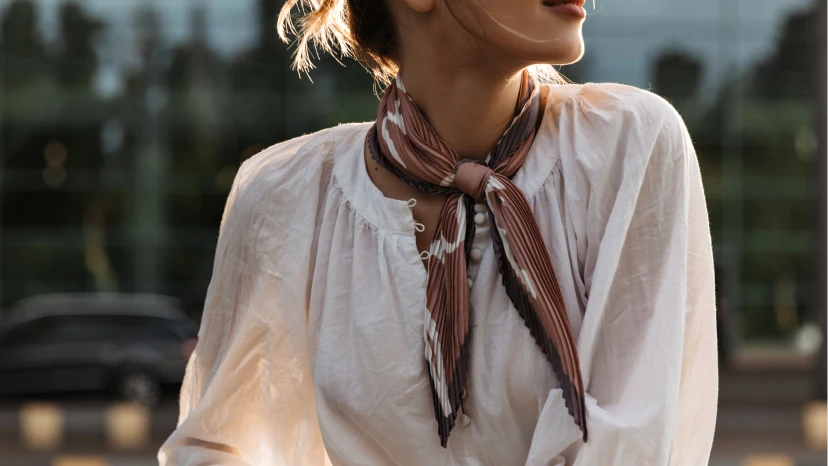
How to Wear a Silk Scarf in Your Hair: 4 Elegant Hair Accessory Styles
A silk scarf is one of the best hair accessories you can use — it is gentle on hair (silk causes less friction and breakage than cotton or synthetic fabric), it adds instant color and pattern, and it can disguise a bad hair day in seconds. From headbands to ponytail wraps, here are four beautiful ways to style a silk scarf in your hair.
Style 6: The Silk Headband
The headband is the easiest and most popular way to wear a silk scarf in your hair. It keeps hair out of your face while adding a polished accessory that elevates any hairstyle — from loose waves to a sleek blowout.
- Fold your silk scarf into a narrow band (about 3 to 5 centimeters wide).
- Place the center of the band at the top of your head, just behind your hairline.
- Bring both ends down behind your ears and tie them in a knot at the nape of your neck, underneath your hair.
- Tuck the knot and tails under your hair for a seamless look, or leave the tails visible for a more casual, relaxed vibe.
This silk headband style works with every hair length and texture. For a retro 1960s look, push the headband slightly forward and pair it with oversized sunglasses. For a modern minimalist look, use a solid-colored silk scarf in a neutral tone.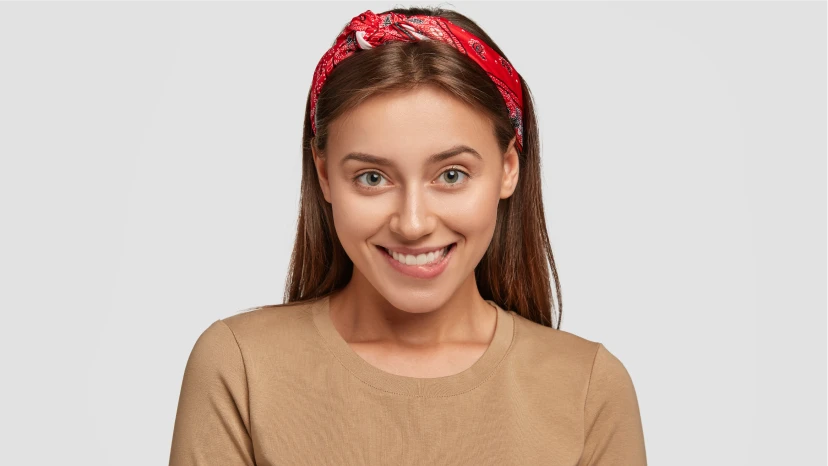
Style 7: The Ponytail Wrap
The ponytail wrap turns a basic ponytail into an elevated, styled look with almost no effort. It is one of the most versatile silk scarf hair styles and works for everything from casual brunch to a summer wedding.
- Gather your hair into a ponytail and secure it with an elastic hair tie.
- Fold your silk scarf into a narrow band.
- Wrap the band around the base of your ponytail, covering the elastic.
- Tie the scarf in a knot or a bow, and let the tails hang down alongside your hair.
The trailing silk tails add movement and color that blend beautifully with your hair. This style looks especially stunning with printed silk scarves in floral, paisley, or geometric patterns.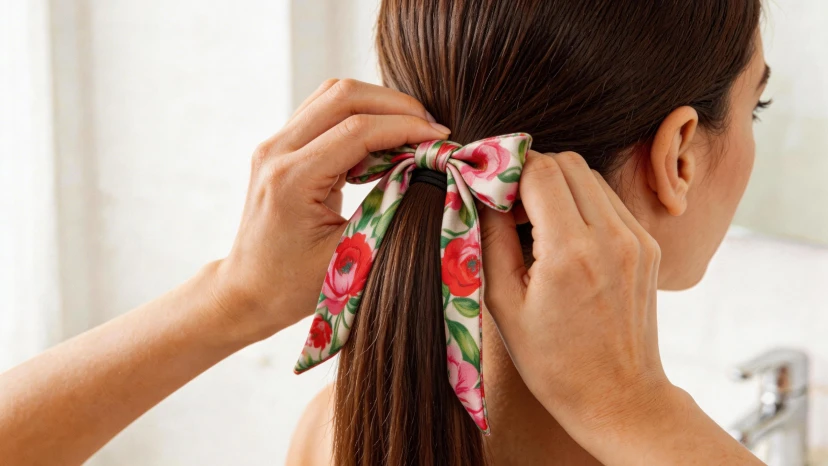
Style 8: The Vintage Headscarf
The vintage headscarf — sometimes called the Grace Kelly or retro headscarf — is a glamorous, old-Hollywood way to wear a silk scarf. It covers the top of the head and ties under or behind the chin, creating a sophisticated, polished silhouette.
- Fold your square silk scarf diagonally into a triangle.
- Place the folded edge of the triangle along your forehead, with the pointed end hanging down at the back of your head.
- Take the two side ends and cross them under your chin.
- Tie the ends in a knot or bow — either under the chin for a classic look, or at the back of the neck for a more modern style.
- Tuck the pointed end at the back underneath the tied portion, or leave it loose.
This style works best with large square silk scarves (90cm × 90cm or larger). It is perfect for windy days, convertible rides, outdoor events, or any time you want to channel timeless elegance. Pair with sunglasses for the full vintage effect.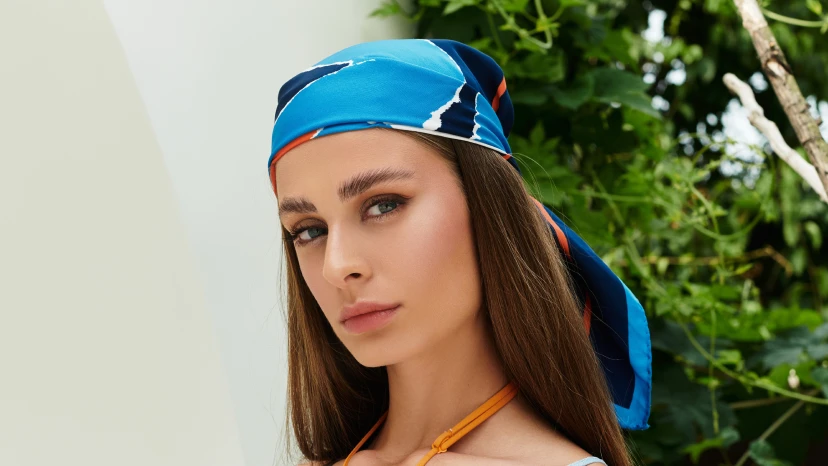
Style 9: The Boho Hair Wrap
The boho hair wrap creates a relaxed, free-spirited look that is perfect for festivals, beach days, vacations, and casual summer outfits.
- Fold your silk scarf into a triangle.
- Place the flat edge of the triangle across your hairline, with the point hanging down toward the back of your neck.
- Take the two side ends and wrap them around the back of your head.
- Tie the ends together at the nape of your neck, letting the pointed end and the tied tails hang loose.
For extra texture and interest, gently tousle the fabric at the top of your head so it does not lie perfectly flat. You can also braid a section of hair and weave the silk scarf tail into the braid for a more intricate boho look.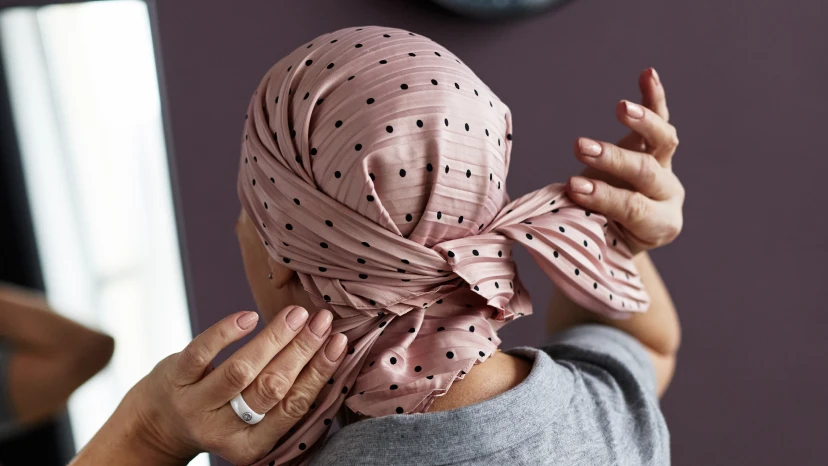
How to Style a Silk Scarf on Your Handbag: 3 Bag Accessory Methods
If you love silk scarves but are not quite ready to wear one on your body, tying a silk scarf onto your handbag is a simple, low-commitment way to incorporate this beautiful accessory into your daily look. A silk scarf adds color, personality, and a touch of luxury to any bag — from a structured leather tote to a casual canvas crossbody.
Style 10: The Handle Wrap
This classic method wraps the silk scarf around one or both handles of your bag, creating a colorful, textured accent that completely transforms the look of the bag.
- Fold your silk scarf into a narrow band.
- Tie one end of the band to the base of the bag handle with a small knot.
- Wrap the silk band tightly around the handle in a spiral, working your way from bottom to top.
- Tie the other end securely at the top of the handle, tucking any excess under the wrapped portion.
This style works best with narrow silk scarves or twillies. It adds a custom, designer-inspired touch to even the simplest handbag. Try a printed silk scarf with a solid-colored bag for the most striking visual contrast.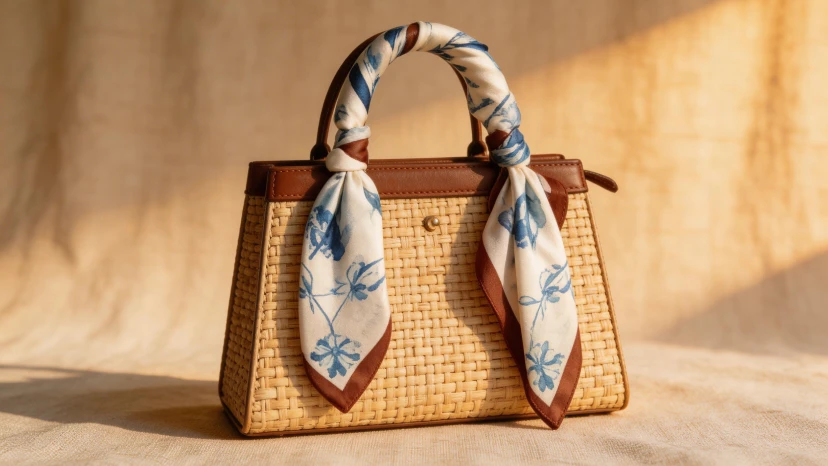
Style 11: The Bow Accessory
The bow accessory is the quickest way to add a silk scarf to your bag — it takes about ten seconds and looks effortlessly chic.
- Fold your silk scarf into a band or leave it loosely folded.
- Thread the scarf through the hardware ring, handle loop, or strap attachment point on your bag.
- Tie the scarf into a bow, adjusting the loops and tails for a balanced, intentional look.
This method works with any bag shape and any silk scarf size. Change the scarf daily or seasonally to give your favorite bag a fresh look without buying a new one.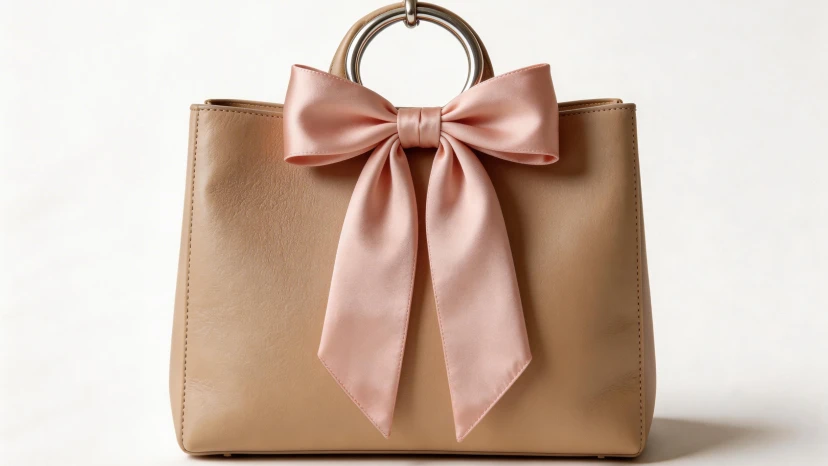
Style 12: The Hanging Tassel
The hanging tassel is a minimal, modern approach — the silk scarf hangs loosely from the bag like a decorative tassel or keychain, adding movement and color without the structure of a bow or wrap.
- Fold your silk scarf loosely — it does not need to be a precise fold.
- Thread one end through a bag ring, D-ring, or handle attachment.
- Tie a simple knot to secure, and let the rest of the scarf hang freely.
This style creates a relaxed, bohemian effect and works particularly well with crossbody bags, bucket bags, and backpacks. Use a silk scarf with a bold print to turn it into a statement accessory.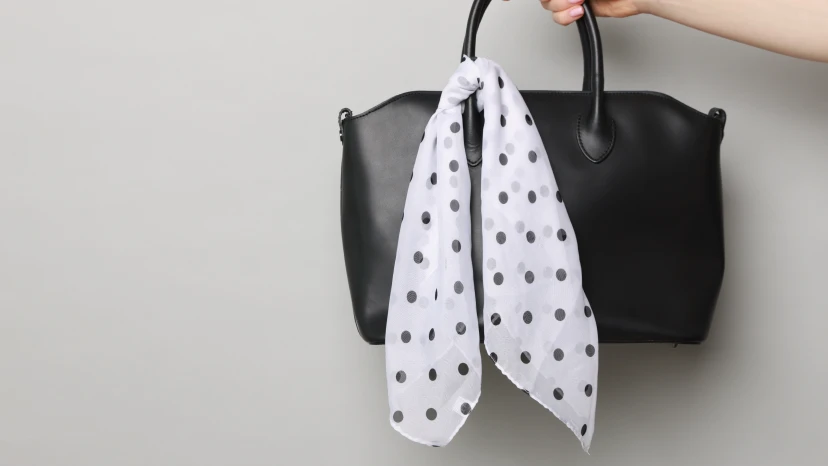
Creative Ways to Wear a Silk Scarf as Clothing and Beyond
A silk scarf is not limited to your neck, hair, and bag. With a little creativity, it can function as a standalone piece of clothing or an unexpected fashion accent. Here are three creative ways to push the boundaries of silk scarf styling.
Style 13: The Silk Scarf Belt
Using a silk scarf as a belt adds a soft, feminine alternative to a leather belt. It works especially well with high-waisted pants, jeans, skirts, and dresses that have belt loops or a defined waistline.
- Fold your silk scarf into a narrow band.
- Thread the band through your belt loops — or simply wrap it around your waist over the garment.
- Tie the scarf at the front, side, or back in a knot or bow. Let the tails hang loose for a relaxed look, or tuck them in for a cleaner line.
The silk scarf belt is a great way to add a pop of color to a neutral outfit. It also works as a waist accent over loose dresses and long cardigans, giving structure and definition to the silhouette.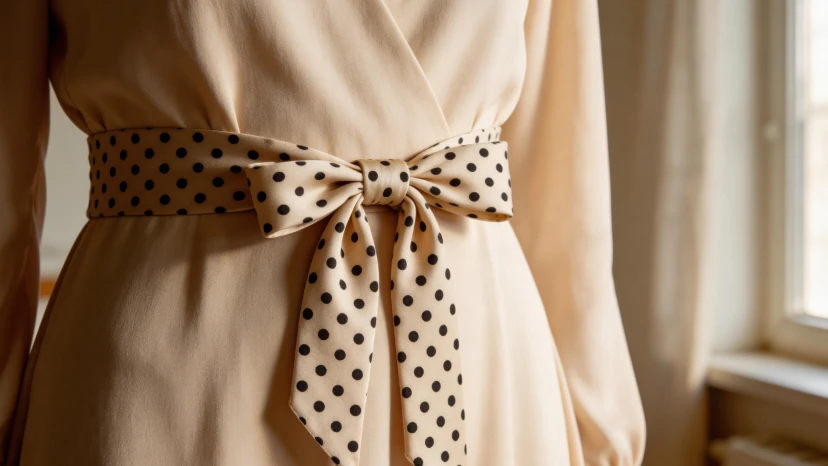
Style 14: The Wrist Wrap
A small silk scarf wrapped around the wrist functions like a fabric bracelet — adding color, texture, and a touch of personality without the weight or formality of jewelry.
- Fold a small silk scarf (50cm to 60cm square) into a very narrow band.
- Wrap the band around your wrist two or three times.
- Tie a small knot or bow, and tuck the tails under the wrapped portion.
This is a subtle, everyday way to wear a silk scarf when you want a hint of luxury without a full neck or hair style. It pairs well with watches and stacked bracelets.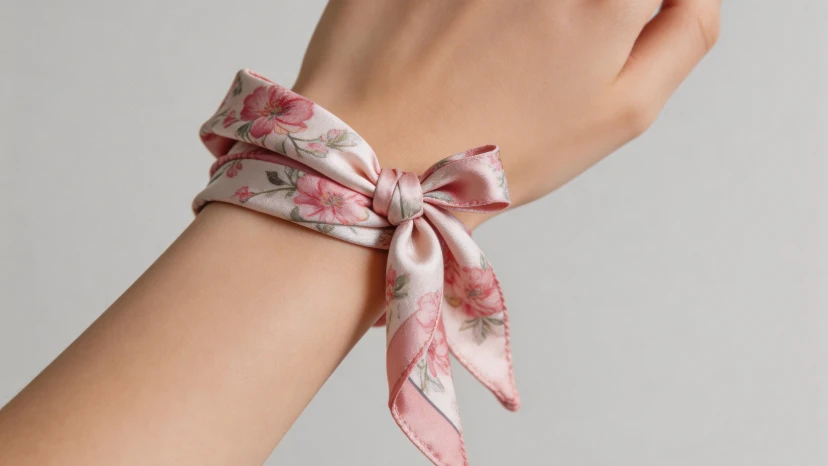
Style 15: The Shoulder Drape
The shoulder drape is an elegant, shawl-like way to wear a large square silk scarf. It adds a layer of color and warmth over sleeveless tops, evening dresses, and simple tees.
- Open your large silk scarf (90cm × 90cm or larger) fully — no folding needed.
- Drape it evenly over both shoulders, letting it hang open like a wrap or capelet.
- You can leave it flowing freely, or secure the front edges with a brooch, scarf ring, or a simple knot at the center of your chest.
This style is perfect for transitional weather, outdoor dinners, and any occasion where you want an elegant topping layer. A large silk scarf in a rich print makes a dramatic visual statement when draped over a solid-colored dress.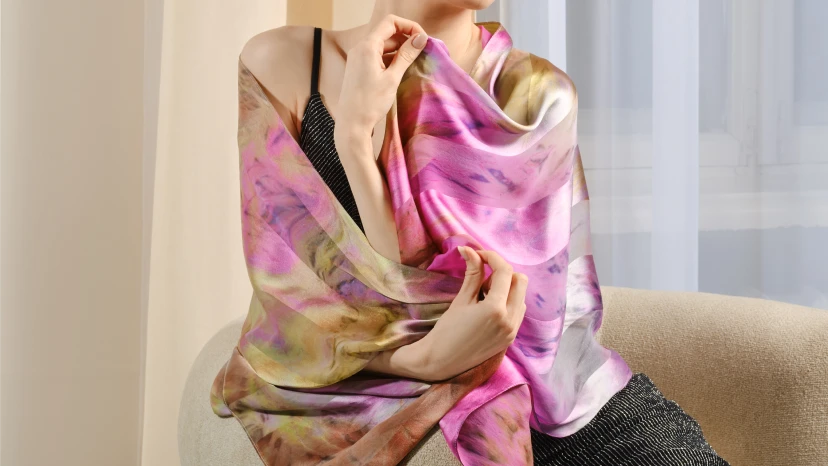
How to Choose the Right Silk Scarf Size and Fabric for Each Tying Style
Not every silk scarf works for every tying method. The size, shape, and fabric weight of your silk scarf will determine which styles look best and which knots hold most securely. Silk is a smooth, naturally slippery fabric — which means looser knots may untie more easily on very lightweight silk, while heavier silk twill holds knots better. Here is a guide to matching the right silk scarf to the right style.
| Silk Scarf Size | Common Name | Best Tying Styles | Notes |
|---|---|---|---|
| 50cm × 50cm | Small square / Pocket square | Wrist wrap, ponytail wrap, bow accessory on bag | Too small for most neck and headscarf styles. Best as a subtle accent accessory. |
| 60cm – 70cm square | Classic square scarf / Foulard | French knot, bandana drape, headband, bow tie, ponytail wrap, bag bow | The most versatile everyday size. Works for the majority of popular tying styles. |
| 90cm × 90cm | Large square scarf / Carré | Italian twist, cravat, vintage headscarf, shoulder drape, belt, bandana drape | The classic fashion scarf size. Provides enough fabric for fuller, more dramatic styles. |
| 140cm × 140cm | Silk shawl / Grande | Shoulder drape, sarong, large headscarf, bolero wrap | Best for wrap and drape styles. Can feel bulky for tight knots and structured tying. |
| 5cm × 86cm (narrow) | Twilly / Skinny scarf | Handle wrap, ponytail wrap, wrist wrap, choker-style neck tie | Designed for bag handles and small accents. Limited versatility for full neck or head styles. |
| Oblong (various) | Rectangular scarf / Silk stole | French knot, Italian twist, infinity loop, shoulder drape, loose drape | Excellent for longer, flowing neck styles. Easier to manage than square scarves for beginners. |
Fabric Weight Matters
Silk scarves come in different weights measured in momme (mm). Lower momme silk (12–16mm) is lighter and more translucent — it drapes beautifully but may not hold structured knots well. Higher momme silk (19–25mm) is denser and more opaque — it holds folds and knots with better structure and is more suitable for styles like the cravat, Italian twist, and handle wrap. For general versatility, a 16 to 19 momme silk twill scarf is the best all-around choice for tying and wearing.
Matching Your Silk Scarf Style to the Right Occasion
Different tying methods project different levels of formality and energy. Choosing the right silk scarf style for the right occasion helps you look intentional rather than overdressed or underdressed. Here is a quick reference guide to help you match your silk scarf tying method to various settings and events.
| Occasion | Recommended Silk Scarf Styles | Suggested Scarf Type |
|---|---|---|
| Office / Business meeting | Cravat, Italian twist, French knot (tucked) | Classic square (70–90cm) in subtle prints or solid colors |
| Casual brunch / Weekend outing | French knot (loose), bandana drape, headband, ponytail wrap | Printed square scarf in vibrant colors or playful patterns |
| Evening event / Dinner | Italian twist, shoulder drape, cravat | Large silk scarf (90cm+) in rich, jewel-toned colors |
| Beach / Vacation / Festival | Boho hair wrap, vintage headscarf, belt, bandana drape | Lightweight silk scarf with bold, tropical, or artistic prints |
| Wedding / Formal occasion | Shoulder drape, Italian twist with brooch, bow tie | Large silk shawl or carré in elegant prints or solid pastels |
| Everyday / Running errands | Headband, bag bow, wrist wrap, ponytail wrap | Small to medium silk scarf or twilly in any color or pattern |
The beauty of a silk scarf as a fashion accessory is its adaptability. The same silk scarf can work for a Monday morning meeting (tied as a cravat with a blazer) and a Saturday afternoon farmers market (folded as a casual headband). It all comes down to how you tie it and what you pair it with.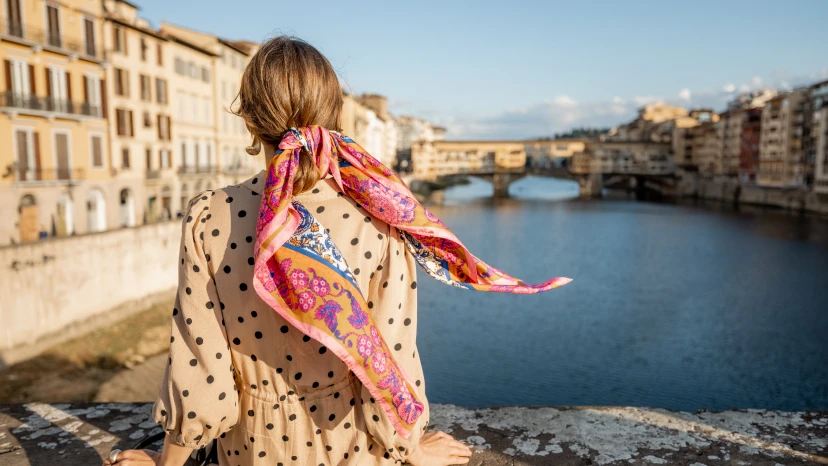
Expert Tips for Tying and Wearing a Silk Scarf Like a Professional Stylist
After years of producing custom silk scarves for fashion brands around the world, we have seen how professional stylists and experienced scarf wearers get the most out of their silk accessories. Here are some practical tips that make a real difference in how your silk scarf looks and holds throughout the day.
Press Before Tying
Always start with a wrinkle-free silk scarf. Creased or rumpled silk does not fold cleanly and will make your knots look messy. If your scarf has wrinkles, use a garment steamer or iron it on a low silk setting with a pressing cloth before tying.
Secure Slippery Knots
Silk is naturally smooth and slippery, which means some knots may loosen or untie during the day. To keep your knot in place, try these tricks: tie a double knot instead of a single knot for styles that require security; use a small safety pin hidden underneath the knot to anchor it to your clothing; or use a scarf ring or small clip to hold the silk in position without tying at all.
Mix Textures and Patterns
A silk scarf looks most impactful when it contrasts with the texture of your clothing. Smooth silk against a chunky knit sweater, a textured tweed blazer, or a matte cotton tee creates visual depth and dimension. Similarly, a bold printed silk scarf can elevate a monochromatic outfit, while a solid-colored silk scarf can add a refined accent to a patterned dress without competing for attention.
Consider Your Neckline
The neckline of your top or dress determines which silk scarf styles will look best. V-necks work well with the French knot and bandana drape. Crew necks and turtlenecks pair beautifully with the bow tie and cravat. Open-collar blouses and blazers look sophisticated with the Italian twist. Strapless and off-shoulder styles are ideal for the shoulder drape.
Match Your Scarf to Your Color Season
Because a silk scarf sits close to your face, its color directly affects how your complexion looks. Warm-toned skin generally looks best with silk scarves in gold, coral, olive, warm red, and earthy tones. Cool-toned skin pairs well with silk scarves in navy, burgundy, emerald, silver, and icy pastels. Choosing silk scarf colors that complement your natural undertones will make both you and the scarf look more vibrant.
Invest in a Scarf Ring
A scarf ring — a small ring, clip, or slide made of metal, wood, or resin — is an incredibly useful accessory for silk scarf styling. Instead of tying a knot, you simply thread the silk scarf through the ring, which holds the fabric in place and creates an elegant, gathered look. Scarf rings are especially useful for people who struggle with knots or who prefer a more structured, polished finish.
How to Care for Your Silk Scarf After Wearing and Tying
Regular tying, knotting, and handling can take a toll on a silk scarf over time if you do not care for it properly. Here are a few maintenance tips to keep your silk scarves looking their best between wearings.
After each wearing, gently untie your silk scarf and shake it out to release any creases from knotting. Hang it loosely over a padded hanger or drape it over a smooth rack to let any fold lines relax naturally. If a crease has set in from a tight knot, hang the scarf in a steamy bathroom — the ambient moisture will soften the silk fibers and allow the crease to release.
Avoid spraying perfume, hairspray, or body spray directly onto your silk scarf. These products contain alcohol and chemicals that can stain silk, alter its color, and weaken the fibers. Apply fragrances to your skin and let them dry before putting the silk scarf in contact with the treated area.
When it is time to clean your silk scarf, hand wash it in cool water (30°C or below) with a pH-neutral, enzyme-free silk detergent. Do not rub, scrub, or wring the silk. Rinse thoroughly, roll it in a clean towel to remove excess moisture, and lay flat to air dry away from direct sunlight. For a detailed step-by-step silk cleaning guide, read our article on how to wash a silk scarf.
Store your silk scarves in a cool, dark, dry location — either hung loosely or rolled (not folded) in acid-free tissue paper inside a breathable fabric bag. Proper storage prevents permanent fold lines, color fading, and fiber damage over time.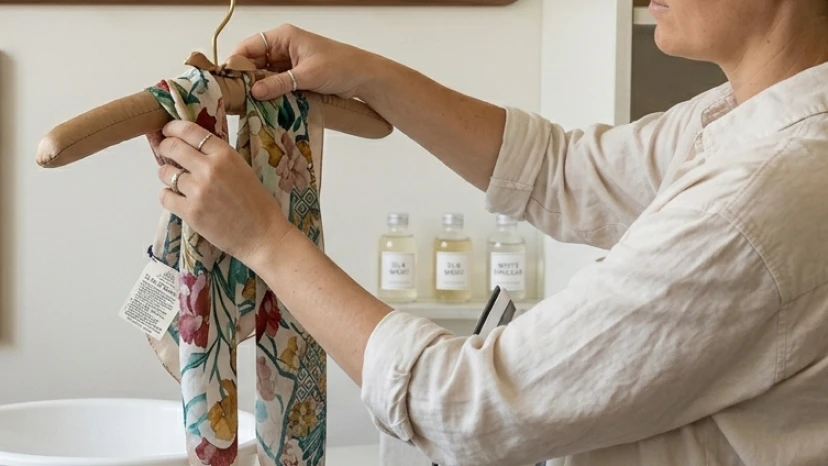
Start Creating Your Own Custom Silk Scarves with DreamSilk
If you are a brand owner, wholesaler, e-commerce seller, or gift company looking to launch your own silk scarf line, DreamSilk can help you bring your vision to life. As a professional silk product manufacturer based in Suzhou, China — the historic heart of Chinese silk production — we offer full OEM/ODM support for custom silk scarves, silk shawls, silk twillies, silk wraps, and silk accessories.
Our customization capabilities cover every detail of your silk scarf project:
- Fabric: 6A-grade 100% mulberry silk, available in 16 / 19 / 22 / 25 / 30 momme, all OEKO-TEX® certified
- Size: Any standard or custom size — from 50cm pocket squares to 140cm large shawls
- Printing: Digital printing and screen printing with Pantone color matching for high-fidelity pattern reproduction
- Edge Finishing: Hand-rolled hems, machine-rolled hems, fringed edges, or raw-cut edges
- Branding: Custom woven labels, printed labels, embroidered logos, and hang tags
- Packaging: Gift boxes, silk pouches, OPP bags, or fully custom branded packaging solutions
MOQ starts at just 50 pieces. Whether you have a complete design ready to produce or just an initial concept that needs development, our team will guide you through sampling, production, and delivery with a clear timeline and stable quality.
Ready to get started? Contact us today for a free quote, or send your design files and project requirements directly to info@dreamsilken.com. Let's turn your silk scarf ideas into real products.
FAQ
The French knot is the most beginner-friendly silk scarf tying method. Fold the scarf into a narrow band, drape it around your neck, and tie a simple loose knot off to one side. It takes about 30 seconds, looks effortlessly stylish, and works with nearly any outfit. If you prefer a hair style, the ponytail wrap is equally easy — just wrap the silk band around your ponytail elastic and tie a bow.
Silk is a naturally smooth, low-friction fabric, which means knots can loosen throughout the day. To prevent slipping, try these solutions: tie a double knot instead of a single knot; use a discreet safety pin underneath the knot to anchor it to your clothing; or use a scarf ring or clip to hold the silk in place without relying on a knot at all. Heavier silk twill (19 momme and above) also holds knots more reliably than lightweight silk charmeuse.
A 70cm × 70cm square silk scarf is the most versatile size for neck tying — it provides enough fabric for most popular styles including the French knot, bandana drape, bow tie, and headband. For more dramatic or layered looks like the Italian twist, cravat, or shoulder drape, a 90cm × 90cm silk scarf gives you more fabric to work with.
Yes — silk is a strong and resilient natural fiber that can handle regular gentle knotting without damage. The key is to avoid pulling silk knots too tight, which can leave permanent crease lines in the fabric. Always untie your silk scarf at the end of the day and let it hang freely to recover its shape. If a knot crease develops, steam the area gently or wash and press the scarf to restore its smoothness.
Since a silk scarf worn around the neck or in the hair sits close to your face, its color directly impacts your complexion. As a general guideline, warm skin tones look best with earthy, warm hues such as coral, gold, olive, and burnt orange. Cool skin tones are complemented by jewel tones like navy, emerald, burgundy, and sapphire. If you are unsure, hold different colored silk scarves next to your face in natural daylight and observe which ones make your skin look brighter and more even.
Square silk scarves need to be folded before tying — typically into a triangle (bias fold) or a narrow strip (band fold). This folding step gives you control over the width and thickness of the scarf. Rectangular or oblong silk scarves are ready to wrap and tie without folding, which makes them slightly easier for beginners. However, square silk scarves offer more versatility because you can adjust the fold width for different effects — from a wide bandana drape to a pencil-thin choker band.
DreamSilk is a factory-direct silk product manufacturer based in Suzhou, China, with over a decade of experience producing custom silk scarves for brands across 50+ countries. We use 6A-grade 100% mulberry silk with OEKO-TEX® certification, support full customization from fabric and printing to labels and packaging, and offer MOQs as low as 50 pieces. Our clients include well-known international brands such as ZARA, Walmart, and Burberry. We provide stable lead times (15–25 days for standard orders), factory wholesale pricing, and dedicated project support from sampling to delivery. Contact us at info@dreamsilken.com or visit our website to request a free quote.